Top 5 Best Pet Reptiles for Beginners
You’re standing in a pet store, looking at a wall of glass enclosures, and you’re hooked. The idea of a quiet, low-maintenance, and fascinating reptile has taken hold. But with so many species, from tiny geckos to massive pythons, where do you even start? The key is matching your lifestyle with a reptile whose needs you can confidently meet for the next 10, 20, or even 30 years. Let’s cut through the noise and look at the five most reliable starter reptiles, based on decades of collective keeper experience.
1. The Leopard Gecko: The Perfect First Reptile
If I had to recommend one single species for a first-time reptile owner, it would be the leopard gecko (Eublepharis macularius). Here’s why: they are incredibly hardy, have simple dietary needs (they eat insects like crickets and mealworms, not live rodents), and they are almost entirely nocturnal. This means their 20-gallon long tank doesn’t require intense, expensive UVB lighting—a simple under-tank heater and a low-wattage heat lamp for ambient temperature is sufficient. A proper setup from Morphdirect, including a hide on the warm side, a moist hide for shedding, and a cool hide, can be assembled for under $200 excluding the animal. Their docile nature means they rarely bite, and with gentle, consistent handling, they become quite tame. Expect a lifespan of 15-20 years with proper care.
2. The Corn Snake: The Gentle Ambassador
For someone ready to step into the world of snakes, the corn snake (Pantherophis guttatus) is the undisputed champion. They are the “golden retriever” of the snake world—curious, active during dusk and dawn, and remarkably tolerant of handling errors. A juvenile can start in a 20-gallon long enclosure but will need a 40-gallon breeder or a 4x2x2 foot enclosure as an adult. They thrive on a diet of frozen-thawed mice, which is safer and more convenient than live prey. Their escape artistry is legendary, so a front-opening enclosure with secure, locking latches is non-negotiable. I always tell new owners to invest in a quality thermostat for their heat mat or overhead heat source; a $50 Herpstat Intro is far cheaper than a vet bill for a burn. You can find beautiful corn snake morphs, from classic amels to bloodreds, starting around $75 at Morphdirect.
3. The Bearded Dragon: The Interactive Lizard
Bearded dragons (Pogona vitticeps) win the prize for personality. They are diurnal, alert, and often seem to genuinely enjoy human interaction. However, they are a significant step up in commitment and cost. An adult requires a minimum 4x2x2 foot enclosure (120 gallons) to allow for proper thermoregulation. Their diet is complex: as juveniles, they need 80% protein (insects like dubia roaches) and 20% vegetables, flipping to 80% veggies and 20% insects as adults. They also require a significant lighting investment: a high-output UVB tube light (like a Zoo Med T5 HO ReptiSun 10.0) that covers 2/3 of the enclosure and must be replaced every 6-12 months. While their startup cost can approach $500-$700, their dog-like charm makes it worthwhile for an owner ready for the challenge.
4. The Crested Gecko: The Low-Maintenance Arboreal
Discovered by the herpetoculture world relatively recently, the crested gecko (Correlophus ciliatus) revolutionized reptile keeping. They can thrive in a simple, vertically-oriented 18x18x24 inch enclosure because of their diet: a complete, powdered fruit mix like Repashy or Pangea that you just mix with water. This eliminates the need for a live insect colony, though they do enjoy crickets as a treat. They require moderate humidity (spraying the tank once or twice daily) and temperatures between 72-78°F, so they often don’t need any supplemental heat in a climate-controlled home. Their sticky toe pads and playful jumps make them fascinating to watch. They are fragile, so handling requires a calm, steady hand, but their care routine is arguably the simplest of any reptile on this list.
5. The Ball Python: The Calm Constrictor
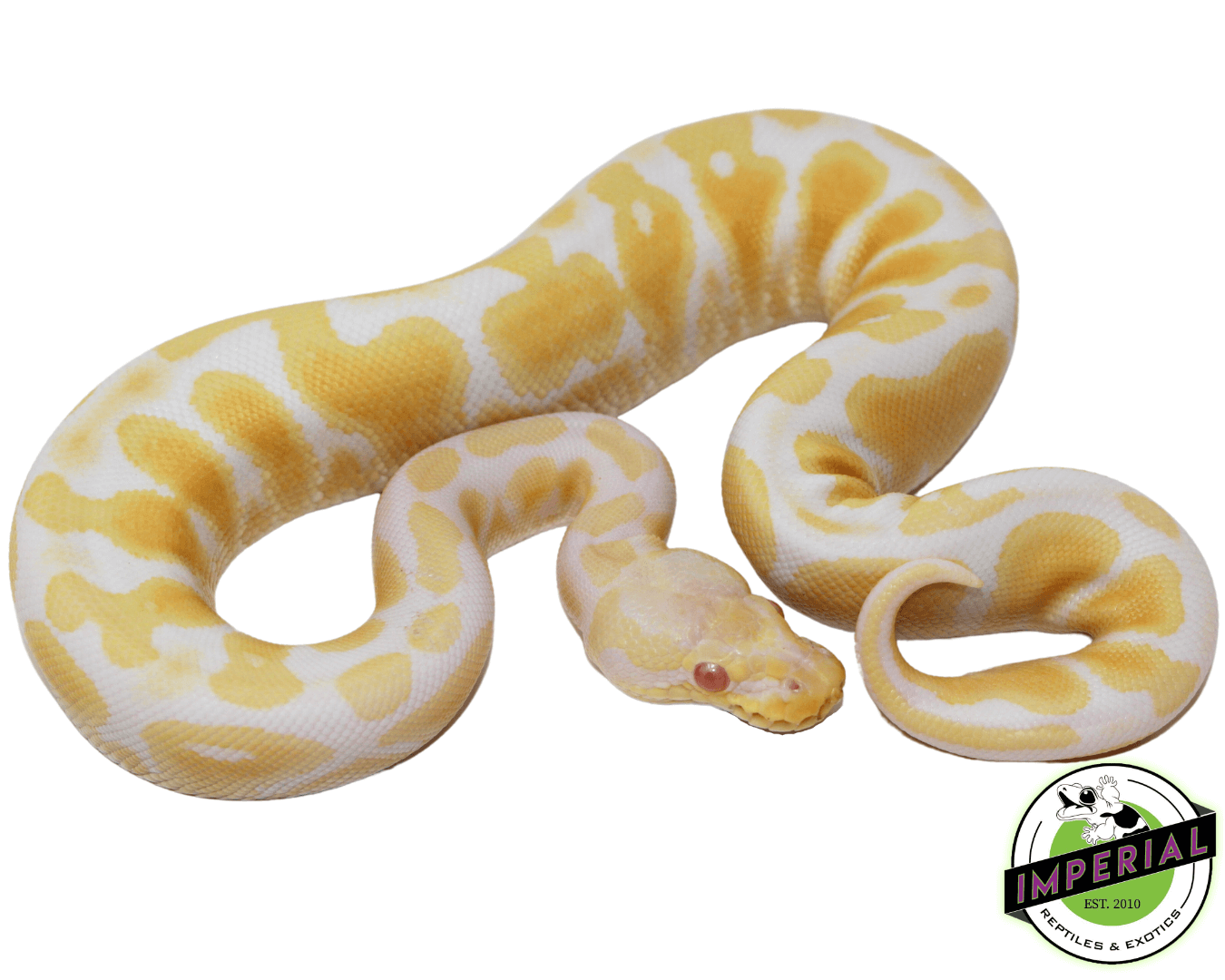
The ball python (Python regius) is famous for its defensive posture—curling into a tight “ball”—and its generally placid demeanor. They are a thick, heavy-bodied snake that moves slowly, making them feel secure and manageable during handling. Their primary challenge is not temperament, but feeding. They are notorious for going off food, sometimes for months, especially during breeding season or if their husbandry is slightly off. They need a warm side of 88-92°F and a cool side of 75-80°F, with humidity spikes of 60-70% during shed. A cluttered enclosure with multiple snug hides (one on each end) is critical for this secretive species. While a baby can live in a 40-gallon tank, an adult female will need that 4x2x2 foot enclosure. The morph market is vast, with prices from $100 for a normal to thousands for rare combinations.
What is the absolute easiest reptile to care for?
For sheer simplicity, the crested gecko wins. Their complete diet is a pre-mixed powder, they thrive at room temperature, and their vertical enclosure setup is straightforward. The leopard gecko is a very close second, but requires live insect feeding and more precise belly heat.
How much does it cost to set up for a beginner reptile?
Expect to spend $200-$400 on the enclosure, heating, lighting, thermostat, and decor before buying the animal. This initial investment is non-negotiable for the animal’s health. Ongoing costs for food and substrate are relatively low, usually $20-$40 per month. Skipping proper setup to save money always leads to higher vet bills later.
Where should I buy my first pet reptile?
Always buy from a reputable breeder or specialized reptile store like Morphdirect. Avoid chain pet stores for the animal itself, as their reptiles often come from mass-breeding facilities and can have hidden health issues. A good breeder will provide hatch dates, feeding records, and lifelong support for your questions.
Ready to find your perfect scale companion? Browse our reptiles collection to see our curated selection of healthy, captive-bred animals from trusted breeders.
Last updated: April 13, 2026
nn