Posted on Leave a comment

Top 5 Best Pet Reptiles for Beginners

Top 5 Best Pet Reptiles for Beginners

Top 5 Best Pet Reptiles for Beginners

You’re standing in a pet store, looking at a wall of glass enclosures, and you’re hooked. The idea of a quiet, low-maintenance, and fascinating reptile has taken hold. But with so many species, from tiny geckos to massive pythons, where do you even start? The key is matching your lifestyle with a reptile whose needs you can confidently meet for the next 10, 20, or even 30 years. Let’s cut through the noise and look at the five most reliable starter reptiles, based on decades of collective keeper experience.

1. The Leopard Gecko: The Perfect First Reptile

If I had to recommend one single species for a first-time reptile owner, it would be the leopard gecko (Eublepharis macularius). Here’s why: they are incredibly hardy, have simple dietary needs (they eat insects like crickets and mealworms, not live rodents), and they are almost entirely nocturnal. This means their 20-gallon long tank doesn’t require intense, expensive UVB lighting—a simple under-tank heater and a low-wattage heat lamp for ambient temperature is sufficient. A proper setup from Morphdirect, including a hide on the warm side, a moist hide for shedding, and a cool hide, can be assembled for under $200 excluding the animal. Their docile nature means they rarely bite, and with gentle, consistent handling, they become quite tame. Expect a lifespan of 15-20 years with proper care.

2. The Corn Snake: The Gentle Ambassador

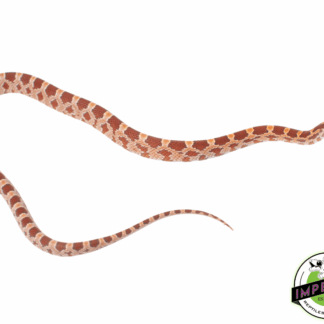
For someone ready to step into the world of snakes, the corn snake (Pantherophis guttatus) is the undisputed champion. They are the “golden retriever” of the snake world—curious, active during dusk and dawn, and remarkably tolerant of handling errors. A juvenile can start in a 20-gallon long enclosure but will need a 40-gallon breeder or a 4x2x2 foot enclosure as an adult. They thrive on a diet of frozen-thawed mice, which is safer and more convenient than live prey. Their escape artistry is legendary, so a front-opening enclosure with secure, locking latches is non-negotiable. I always tell new owners to invest in a quality thermostat for their heat mat or overhead heat source; a $50 Herpstat Intro is far cheaper than a vet bill for a burn. You can find beautiful corn snake morphs, from classic amels to bloodreds, starting around $75 at Morphdirect.

3. The Bearded Dragon: The Interactive Lizard

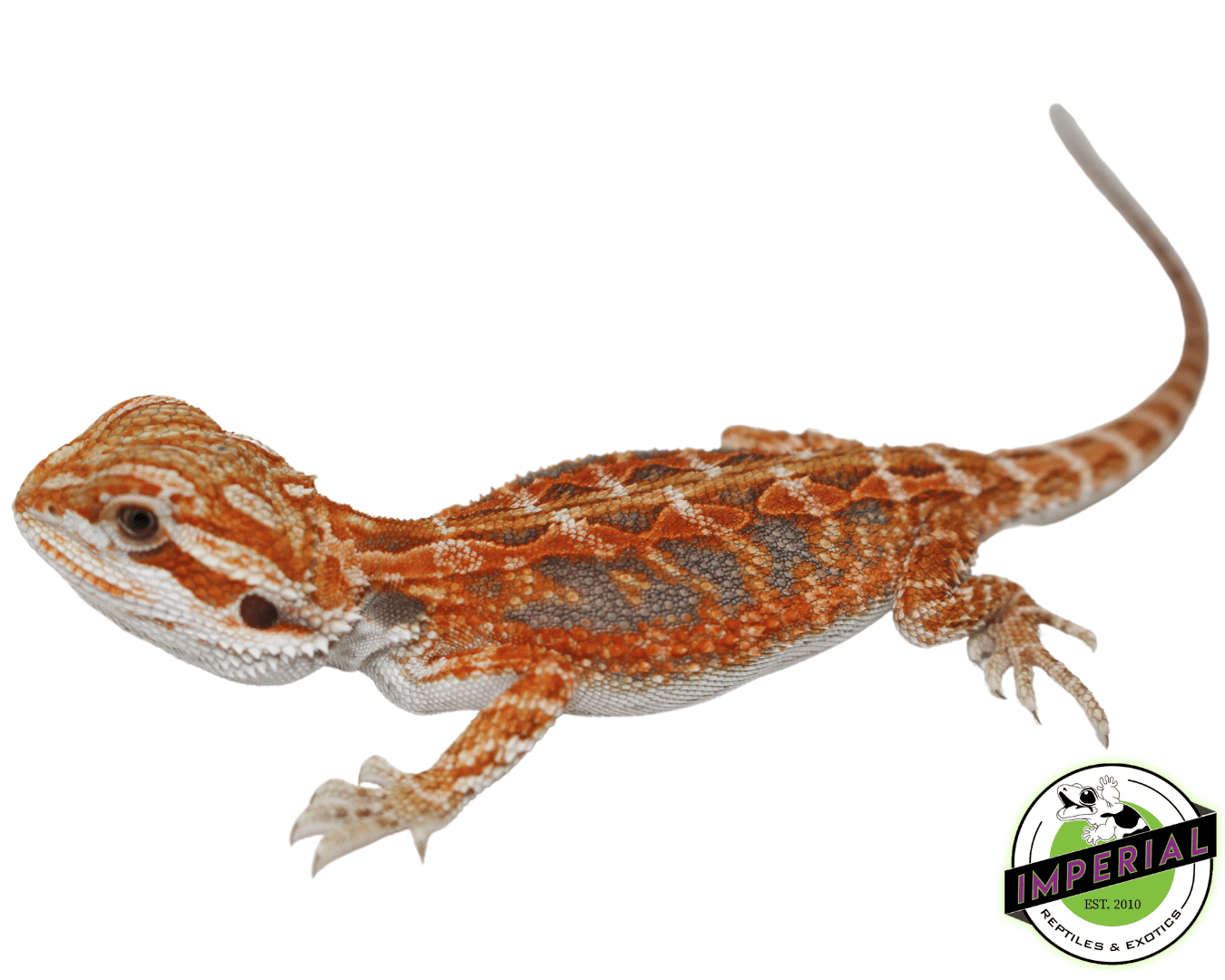
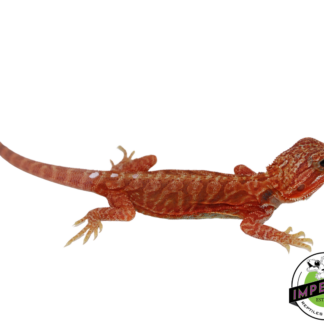
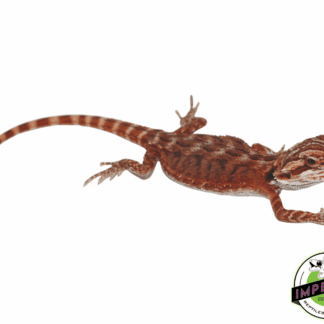
Bearded dragons (Pogona vitticeps) win the prize for personality. They are diurnal, alert, and often seem to genuinely enjoy human interaction. However, they are a significant step up in commitment and cost. An adult requires a minimum 4x2x2 foot enclosure (120 gallons) to allow for proper thermoregulation. Their diet is complex: as juveniles, they need 80% protein (insects like dubia roaches) and 20% vegetables, flipping to 80% veggies and 20% insects as adults. They also require a significant lighting investment: a high-output UVB tube light (like a Zoo Med T5 HO ReptiSun 10.0) that covers 2/3 of the enclosure and must be replaced every 6-12 months. While their startup cost can approach $500-$700, their dog-like charm makes it worthwhile for an owner ready for the challenge.

4. The Crested Gecko: The Low-Maintenance Arboreal

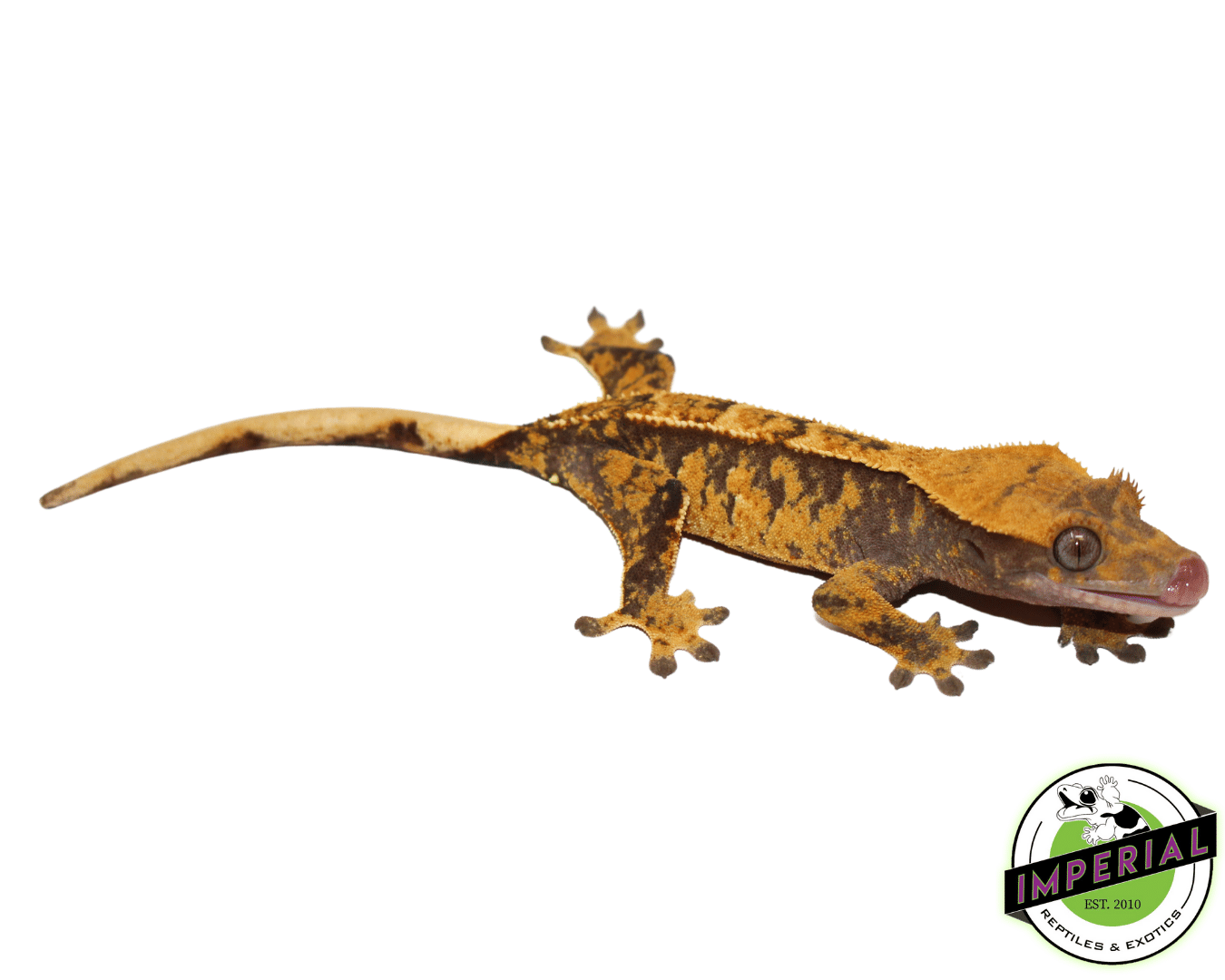
Discovered by the herpetoculture world relatively recently, the crested gecko (Correlophus ciliatus) revolutionized reptile keeping. They can thrive in a simple, vertically-oriented 18x18x24 inch enclosure because of their diet: a complete, powdered fruit mix like Repashy or Pangea that you just mix with water. This eliminates the need for a live insect colony, though they do enjoy crickets as a treat. They require moderate humidity (spraying the tank once or twice daily) and temperatures between 72-78°F, so they often don’t need any supplemental heat in a climate-controlled home. Their sticky toe pads and playful jumps make them fascinating to watch. They are fragile, so handling requires a calm, steady hand, but their care routine is arguably the simplest of any reptile on this list.

5. The Ball Python: The Calm Constrictor

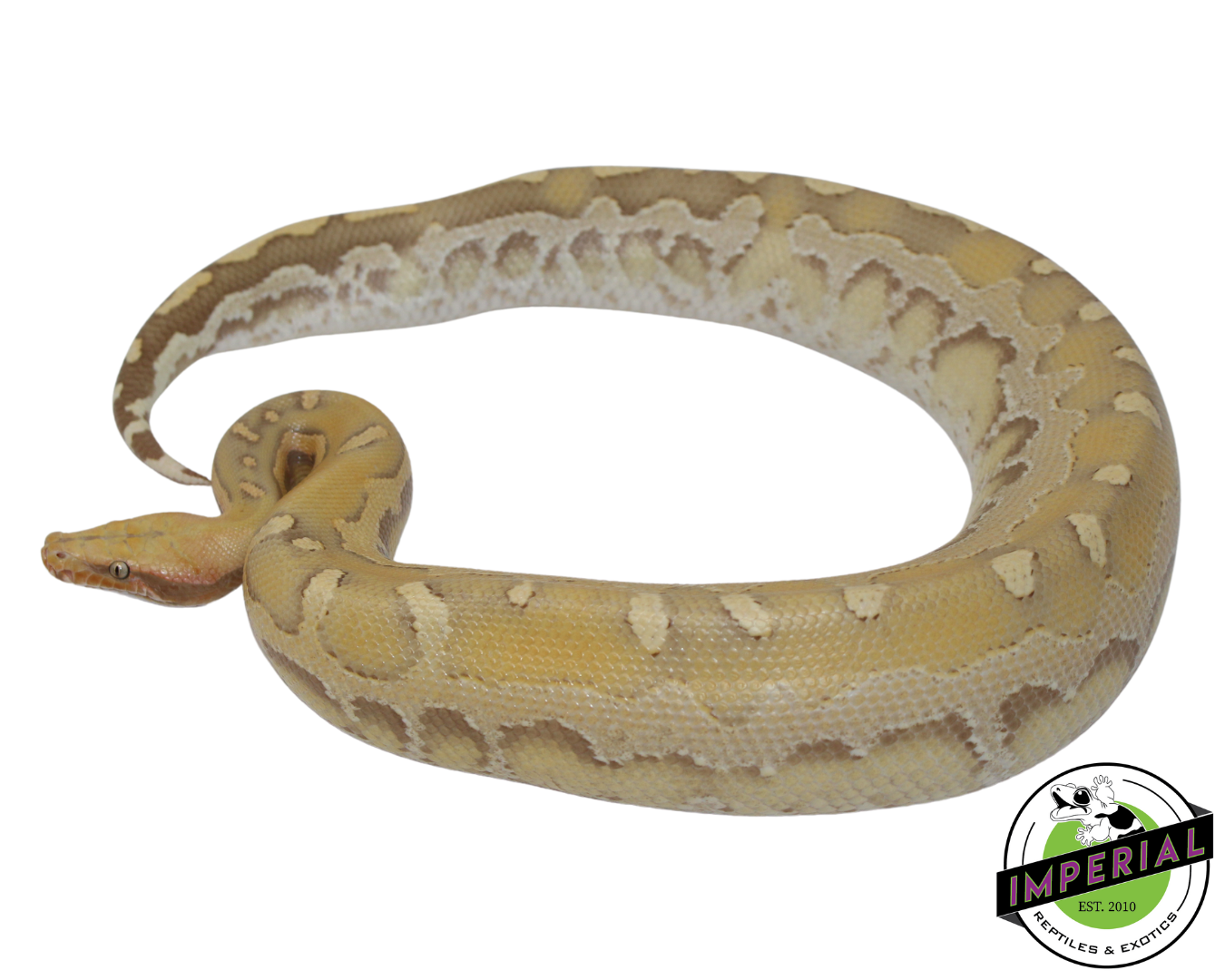
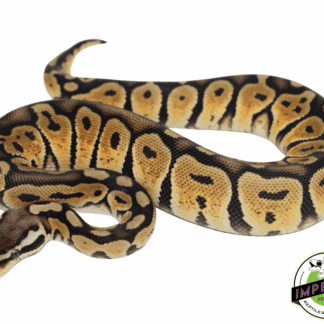
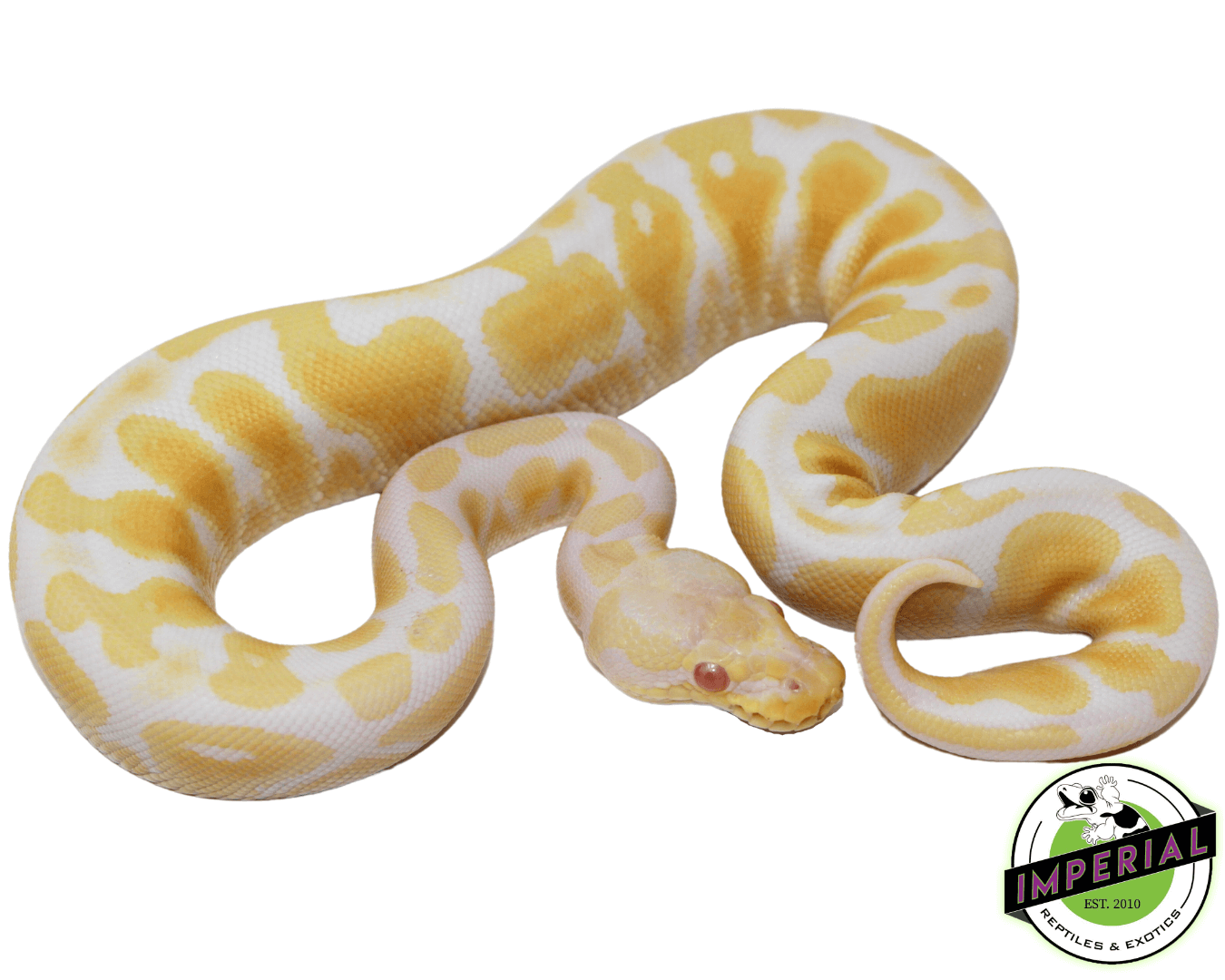
The ball python (Python regius) is famous for its defensive posture—curling into a tight “ball”—and its generally placid demeanor. They are a thick, heavy-bodied snake that moves slowly, making them feel secure and manageable during handling. Their primary challenge is not temperament, but feeding. They are notorious for going off food, sometimes for months, especially during breeding season or if their husbandry is slightly off. They need a warm side of 88-92°F and a cool side of 75-80°F, with humidity spikes of 60-70% during shed. A cluttered enclosure with multiple snug hides (one on each end) is critical for this secretive species. While a baby can live in a 40-gallon tank, an adult female will need that 4x2x2 foot enclosure. The morph market is vast, with prices from $100 for a normal to thousands for rare combinations.

What is the absolute easiest reptile to care for?

For sheer simplicity, the crested gecko wins. Their complete diet is a pre-mixed powder, they thrive at room temperature, and their vertical enclosure setup is straightforward. The leopard gecko is a very close second, but requires live insect feeding and more precise belly heat.

How much does it cost to set up for a beginner reptile?

Expect to spend $200-$400 on the enclosure, heating, lighting, thermostat, and decor before buying the animal. This initial investment is non-negotiable for the animal’s health. Ongoing costs for food and substrate are relatively low, usually $20-$40 per month. Skipping proper setup to save money always leads to higher vet bills later.

Where should I buy my first pet reptile?

Always buy from a reputable breeder or specialized reptile store like Morphdirect. Avoid chain pet stores for the animal itself, as their reptiles often come from mass-breeding facilities and can have hidden health issues. A good breeder will provide hatch dates, feeding records, and lifelong support for your questions.

Ready to find your perfect scale companion? Browse our reptiles collection to see our curated selection of healthy, captive-bred animals from trusted breeders.

Last updated: April 13, 2026

nn
Posted on Leave a comment

Best Pet Reptiles for New Owners

Best Pet Reptiles for New Owners

Best Pet Reptiles for New Owners

You’ve decided to bring a reptile into your home, but the sheer number of species can be overwhelming. The biggest mistake I see new keepers make is choosing an animal based on looks alone, without considering its long-term care needs. The right beginner reptile is hardy, has manageable space requirements, and a predictable temperament. Let’s talk about the top contenders that fit that bill perfectly.

The Leopard Gecko: The Perfect Starter Lizard

If I had to recommend one single reptile for a first-timer, it would be the leopard gecko. They check every box. Adults only need a 20-gallon long tank, they’re entirely insectivorous (so no messy salads to prepare), and they are famously docile and easy to handle. Unlike many lizards, they don’t require intense UVB lighting if you supplement their diet properly with calcium and vitamin D3, which simplifies setup. Their care is straightforward: a warm hide around 88-92°F, a cool hide, and a moist hide to aid in shedding. At Morphdirect, we often have beautiful, healthy leopard gecko morphs starting around $79.99. They’re a long-term commitment, living 15-20 years, but their daily care is minimal once you have the habitat dialed in.

Crested Geckos: The Low-Maintenance Arboreal Choice

For those short on space or who want a reptile that doesn’t need live insects daily, the crested gecko is a fantastic option. These guys thrive in a vertically-oriented 18x18x24 inch enclosure filled with plants and branches. Their diet is incredibly simple: a complete powdered diet like Repashy or Pangea Crested Gecko Diet, mixed with water. You can offer insects as a weekly treat, but the powder is their staple. They do well at room temperature (72-78°F) and only need low-level UVB lighting, though it’s beneficial. They’re handleable, though a bit more skittish than leopard geckos, and their sticky-toed antics are endlessly entertaining. We stock everything you need for a crested gecko setup at Morphdirect, from the bioactive-ready enclosures to the trusted diet formulas.

Corn Snakes: The Classic Beginner Serpent

For the aspiring snake keeper, the corn snake is the undisputed champion for beginners. Why? They are exceptionally hardy, have a phenomenal feeding response (they rarely refuse a thawed mouse), and stay a manageable size, typically 4 to 5.5 feet. A 40-gallon breeder tank or similar enclosure is perfect for an adult. They require a simple thermal gradient: a warm side with an under-tank heater regulated by a thermostat at about 85°F, and a cool side in the 70s. With regular, gentle handling, they become incredibly calm and tolerant pets. Their morph diversity is astounding—you can find classic amelanistic corns for around $69.99 or delve into more intricate patterns. Their care is so reliable that they’re often the first snake I point people toward at Morphdirect.

Ball Pythons: For the Dedicated Beginner

Ball pythons deserve a mention, but with a caveat: they are a great “next step” beginner reptile or a perfect first for someone ready to be meticulous. They are generally docile and have modest space needs (a 4x2x2 foot enclosure is ideal for an adult). The challenge can be their famous fasting periods and their need for very specific humidity (60-70%) to shed properly. If you’re willing to invest in a proper PVC enclosure, a quality thermostat, and a reliable humidity gauge, they are incredibly rewarding. Their morph market is vast, with normal types starting around $89.99 and designer morphs reaching into the thousands. We always advise new ball python owners to have their setup running perfectly for a week before bringing the snake home.

Setting Up for Success: What You Really Need

Choosing the animal is only half the battle; proper setup is what separates a thriving pet from a struggling one. Never skimp on the essentials: an appropriately sized enclosure, a reliable heat source (always paired with a thermostat to prevent burns), accurate digital thermometers/hygrometers, and the correct lighting if needed. For the geckos, a variety of hides is non-negotiable for their sense of security. For snakes, a secure lid is paramount—they are escape artists. Buying a complete kit can be tempting, but they often include subpar or unnecessary items. It’s better to purchase quality components separately. At Morphdirect, our reptile kits are curated by keepers to include only what you actually need, like our Leopard Gecko Starter Kit which focuses on the critical heating and hiding elements without the filler.

What are the best reptiles for beginners?

The absolute best starters are leopard geckos, crested geckos, and corn snakes. They are hardy, have straightforward dietary and habitat needs, and are typically very tolerant of handling. I always recommend researching their adult size and lifespan (often 15+ years) before committing.

What is the easiest reptile to take care of?

In terms of daily effort, a crested gecko is arguably the easiest. Their primary food is a prepared powdered diet you mix with water, they don’t require high temperatures, and their enclosure maintenance is minimal compared to messy eaters like some lizards.

What is the friendliest reptile pet?

For consistent, docile temperament, leopard geckos and corn snakes are hard to beat. With regular, gentle handling from a young age, they become exceptionally calm and are unlikely to bite. Bearded dragons are also very friendly but require more space and upkeep.

Are reptiles expensive to keep?

The initial setup is the biggest cost, ranging from $200 to $500+ for a proper enclosure, heating, lighting, and decor. After that, monthly costs are relatively low—primarily for food (insects or frozen rodents) and substrate. Always budget for an emergency vet fund, as exotic care can be pricey.

Browse our reptiles collection

Last updated: April 13, 2026

nn

Posted on Leave a comment

Reptile Guide MK1: The Essential Tool

Reptile Guide MK1: The Essential Tool

Reptile Guide MK1: The Essential Tool

If you’ve ever been halfway through a delicate shed assist or a late-night feeding and needed to check a temperature gradient, you know the frustration of fumbling with your phone. The Reptile Guide MK1 was designed to solve that exact problem. It’s not just a book; it’s a consolidated, weather-resistant reference manual built for the realities of reptile keeping, from the bioactive vivarium to the quarantine tub.

What Exactly Is the Reptile Guide MK1?

The MK1 is a purpose-built field guide for herpetoculture. Think of it as the quick-reference sheet you wish you had taped to your incubator or stuck to the side of your rack. Its core strength is immediate, actionable information. Instead of lengthy paragraphs, it uses clear charts, diagrams, and step-by-step checklists. You’ll find sections on identifying common health issues (like early signs of respiratory infection or scale rot), a troubleshooting matrix for thermostat problems, and a visual guide to reptile body language. The pages are laminated, so you can wipe off substrate dust, water splashes, or even a bit of reptile-safe disinfectant. It’s the kind of tool we wish we’d had years ago, and it’s why we keep a few in stock at Morphdirect for keepers who value practicality.

Key Features and How to Use Them

Let’s break down what makes the MK1 useful. The “Emergency Protocol” flowchart is a standout. It doesn’t replace a vet, but it gives you a clear, calm sequence of actions for scenarios like a power outage in winter or a prolapse, telling you exactly what to do while you call your exotics veterinarian. The husbandry parameters table is another workhorse. It lists optimal daytime basking temps, nighttime drops, and humidity ranges for over 50 common species—from Leopard Geckos to Blue Tongue Skinks—taking the guesswork out of setup. I use the breeding and incubation logs constantly; they’re formatted to track pairing dates, pre-lay sheds, clutch sizes, and incubation temperatures in one place, which is invaluable for reviewing your season’s data. Slip this guide into your toolkit next to your digital thermometer and gram scale.


Who Benefits Most from the MK1?

While any keeper can use it, three groups get the most immediate value. First, new reptile owners. It cuts through online information overload and provides a single, reliable source for the fundamentals, helping prevent common beginner mistakes. Second, breeders. The logging sheets and incubation guides streamline record-keeping during a hectic breeding season. Finally, educators and outreach volunteers. Its durable, spill-proof design and easy-to-read visuals make it perfect for handling questions at expos or classroom presentations. If you manage animals for multiple clients or maintain a large personal collection, having this guide on hand standardizes your checks and ensures nothing gets overlooked. We’ve had several bulk orders from small-scale breeders who equip their whole team with them.

Pairing the MK1 with Essential Gear

The guide is a repository of knowledge, but it works best alongside quality equipment. For instance, its temperature charts are meaningless without an accurate measuring device. I always recommend pairing it with a reliable tool like the Inkbird ITC-308 WiFi Thermostat ($45.99). The MK1 can help you troubleshoot the thermostat’s settings, while the Inkbird provides the precise control the guide’s parameters demand. Similarly, when the guide’s health section mentions monitoring weight, having a dependable American Weigh Scales Digital Gram Scale ($23.99) is crucial. The guide gives you the context—what a healthy weight range is—and the scale gives you the data. You can find both of these essential tools, along with the MK1 guide itself, in our herpetoculture toolkit section at Morphdirect.


Beyond the Basics: Advanced Applications

For the seasoned keeper, the MK1 evolves from a learning tool into a systems and logistics aid. I use mine to map out annual breeding project timelines, referencing its gestation and incubation periods to plan ahead. Its quarantine procedure checklist is exhaustive; I run through it with every new arrival to ensure I never skip a step, like a fecal exam or a specific duration of observation. The guide also includes conversion tables for measurements and solutions that are handy for mixing your own disinfectants or calculating medication doses based on weight. It becomes a central hub for your standard operating procedures, which is especially helpful if you have assistants or are training someone else in your husbandry methods. It’s the detail-oriented approach that separates good keepers from great ones.

Is the Reptile Guide MK1 species-specific?

No, it’s not. The MK1 is designed as a broad-spectrum tool covering foundational principles, common health issues, and husbandry parameters for a wide range of popular snakes, lizards, and amphibians. It’s perfect for multi-species keepers or those who work with common pet reptiles. For highly specialized care (e.g., specific chameleon or monitor species), you’ll still need dedicated resources, but the MK1 provides an excellent overall framework.

Can the laminated pages be written on?

Yes, absolutely. Use a dry-erase or wet-erase marker. This is a key feature for the logging sheets and checklists. You can track weights, feeding responses, or medication schedules directly on the page, then wipe it clean for the next animal or cycle. Just test your marker in a corner first to ensure it wipes off completely.

Where is the Reptile Guide MK1 manufactured?

The guide is designed by herpetoculturists in the US and printed domestically on durable, laminated stock. This ensures consistent quality and allows the creators to quickly update and revise content based on community feedback and advancing best practices, which is a big plus in our ever-evolving hobby.

Browse our reptiles collection

Last updated: April 13, 2026

nn

Posted on Leave a comment

Best Beginner Reptiles: Our Top 5 Picks

Best Beginner Reptiles: Our Top 5 Picks

Best Beginner Reptiles: Our Top 5 Picks

You’ve decided to get a reptile, but staring at hundreds of species online is overwhelming. The good news is, a handful of species are practically tailor-made for first-time keepers, combining hardiness, manageable size, and a gentle temperament. I’ve helped hundreds of new owners get started, and the key is choosing an animal that forgives the small mistakes we all make while learning. Let’s cut through the noise and look at the five best reptiles to start your journey.

1. The Leopard Gecko: The Perfect Starter Lizard

If I had to recommend one single reptile for a beginner, it’s the leopard gecko (Eublepharis macularius). Here’s why: they’re small (typically 7-10 inches), don’t require expensive UVB lighting because they’re crepuscular, and they have wonderfully docile personalities. A 20-gallon long tank is perfect for an adult. Their diet is simple—gut-loaded insects like crickets and mealworms dusted with calcium powder. At Morphdirect, we work with breeders who prioritize health and temperament, so you’re getting a gecko that’s already well-started. Their care is straightforward: a warm hide around 88-92°F, a cool hide, a moist hide for shedding, and a simple under-tank heater. You’ll be amazed at how much personality is packed into such a small, spotted package.

2. The Corn Snake: The Classic First Snake

For anyone wanting a snake, the corn snake (Pantherophis guttatus) is the undisputed champion for beginners. They rarely exceed 5 feet, have an incredibly docile nature, and are feeding champions on pre-killed frozen/thawed mice. A 40-gallon breeder tank or similar enclosure will house an adult comfortably. They need a thermal gradient with a warm side of about 85°F and a cool side in the 70s, which is easy to achieve with a simple heat mat regulated by a thermostat—a non-negotiable piece of equipment for safety. Corn snakes come in over 50 stunning color morphs, from the classic “Normal” to Amelanistic and Anerythristic types. Their predictable care and tolerance for handling make them a joy. We always have a selection of healthy, feeding corn snake juveniles at Morphdirect, perfect for starting your collection.

3. The Bearded Dragon: The Interactive Companion

Bearded dragons (Pogona vitticeps) are often called the “puppy dogs” of the reptile world for good reason. They are highly interactive, often seeming to enjoy time out of their enclosure with their owners. Their care is a step up from a leopard gecko, but still very manageable for a committed beginner. An adult requires a minimum 4x2x2 foot enclosure (120 gallons). They are diurnal and need strong UVB lighting (a T5 HO 10.0 or 12% tube is standard) for 12-14 hours a day, along with a basking spot of 100-110°F. Their diet is omnivorous: a mix of leafy greens and vegetables daily, and insects like dubia roaches or crickets. While their startup cost is higher due to the larger enclosure and lighting, their engaging personality is worth the investment for many.

4. The Crested Gecko: The Low-Maintenance Arboreal

Crested geckos (Correlophus ciliatus) revolutionized reptile keeping when they were rediscovered. Their biggest selling point? They can thrive at room temperature (72-78°F) and don’t require supplemental heat in most homes. They are primarily arboreal, so a tall 18x18x24 inch enclosure is ideal for an adult. Their diet is incredibly simple: a complete powdered diet like Repashy or Pangea Crested Gecko Diet, mixed with water. You can offer insects as a treat. They are delicate and can drop their tails (it won’t grow back), so gentle handling is key. For someone who wants a visually stunning, low-heat pet that’s easy to feed, the crested gecko is a top contender. We source ours from breeders focused on robust health and vibrant color patterns.

5. The Ball Python: The Gentle Giant (That’s Not So Giant)

Ball pythons (Python regius) deserve a spot on this list, but with a very important caveat: they are for the patient beginner. They are famously docile and have a manageable size (3-5 feet), but they can be picky eaters, especially as juveniles. This is where buying from a reputable source like Morphdirect is critical—we ensure our ball pythons are established on frozen/thawed rodents. An adult needs a minimum 4x2x2 foot enclosure with high humidity (60-70%) and a warm hide at 88-92°F. They are heavy-bodied, feel substantial in your hands, and their defensive “ball” pose is where they get their name. With thousands of morphs available, from Pastels to Pieds, they offer incredible variety. If you’re prepared for potential feeding challenges, their calm demeanor is incredibly rewarding.

Setting Up for Success: What You Really Need

Choosing the right animal is only half the battle; proper setup is what ensures a long, healthy life. The biggest mistake I see is skimping on the essentials. First, the enclosure must be secure and appropriately sized for the adult animal—don’t plan on multiple “upgrades.” Second, heating must always be controlled by a reliable thermostat to prevent burns. Third, most of these species require specific humidity levels, measured by a digital hygrometer. For lighting, diurnal species like bearded dragons need quality UVB tubes replaced every 6-12 months. Finally, don’t forget the basics: appropriate substrate, multiple hides, clean water, and decor for climbing or enrichment. Investing in the right equipment from the start saves you money and stress later. You can find vetted kits and individual components for all these species in our habitat supplies section.

What reptiles are good pets for beginners?

The best beginner reptiles are the leopard gecko, corn snake, bearded dragon, crested gecko, and ball python. These species are generally hardy, have manageable size and dietary needs, and possess temperaments suitable for handling. Each has slightly different requirements, so your choice should fit your budget, space, and the type of interaction you want.

What is the easiest reptile to take care of?

For sheer ease of care, the leopard gecko and crested gecko are top contenders. Leopard geckos have simple heating and dietary needs (insects), while crested geckos can live at room temperature and thrive on a complete powdered diet. Both are small, don’t require massive enclosures, and are typically very docile.

What is the friendliest reptile for a pet?

Bearded dragons are often considered the friendliest due to their interactive, curious nature and tolerance for handling. However, leopard geckos and corn snakes are also exceptionally docile and calm when handled regularly. “Friendliness” often comes down to consistent, gentle interaction from a young age.

Are reptiles low-maintenance pets?

Compared to dogs or cats, reptiles are lower maintenance in terms of daily attention, but they are not “no-maintenance.” They require precise environmental control (heat, humidity, lighting), specific diets, and regular enclosure cleaning. Once their habitat is correctly set up, the daily time commitment is relatively low, but the responsibility for their specialized care is high.

Browse our reptiles collection

Last updated: April 13, 2026

nn

Posted on Leave a comment

Buying Reptiles Online: A Smart Guide

Buying Reptiles Online: A Smart Guide

Buying Reptiles Online: A Smart Guide

Ten years ago, ordering a live animal to your doorstep seemed like science fiction. Today, I’ve personally unboxed over fifty healthy reptiles shipped directly from breeders, from a $150 corn snake to a $2,500 blue-tongue skink. The process is now standard, safe, and often the best way to find specific genetics, but doing it right requires knowing the rules.

Why Reputable Sellers Are Non-Negotiable

Your entire experience hinges on the seller’s reputation. I never buy from classified ad sites or vendors who can’t provide multiple recent, verifiable reviews. A professional breeder will have a established website, clear photos of the actual animal, and detailed lineage information. They should be eager to answer questions about hatch dates, feeding records, and temperament. I always check the Board of Inquiry on FaunaClassifieds for any unresolved complaints. A good sign? Breeders who offer live arrival guarantees and detailed shipping policies. This is why I source animals from trusted partners and our own collection at Morphdirect—we stake our reputation on every animal’s health and your satisfaction.

Understanding Shipping & The “Unboxing” Protocol

Overnight shipping via FedEx or specialized animal carriers is the norm. Reputable sellers only ship Monday-Wednesday to avoid weekend delays. When your animal arrives, have your phone ready to record a clear, unedited unboxing video from the moment you open the box. This is critical evidence for any live arrival guarantee claim. Open the deli cup or bag over a secure tub. The animal may be cold, lethargic, or stressed—this is normal. Place it directly into its prepared, quiet enclosure with fresh water. Do not handle, feed, or fuss with it for at least 5-7 days. This acclimation period is not optional; it reduces stress-induced health issues.

Preparing the Quarantine Enclosure

You must have a separate, fully set-up quarantine enclosure ready before your new reptile arrives. This is not its permanent home. I use a simple, sterile 10-20 gallon tank or plastic tub with paper towel substrate (never loose bedding), a hide, a water bowl, and basic heating. This setup allows you to monitor feces for parasites, ensure the animal is eating, and prevent the spread of any potential illness to your existing collection. Quarantine should last a minimum of 60-90 days. I keep a dedicated set of feeding tongs and cleaning supplies for the QT tank to avoid cross-contamination. Skipping this step is the most common mistake I see, and it can cost you your entire collection.

Essential Starter Kit for a New Snake

A simple plastic tub quarantine enclosure with paper towel substrate, a hide, and water bowl.

For a baby ball python or corn snake, your quarantine kit should include: a 10-15 gallon plastic tub ($25-$40) with secure clips, an under-tank heat mat ($20) regulated by a thermostat like the Herpstat Intro ($99), a digital thermometer/hygrometer ($15), two identical hides ($10 each), and a small water dish. You can find all these essentials, including reliable heat sources, in the Habitat & Supplies section at Morphdirect. Keep it simple and easy to disinfect.

What to Look for in Your First Online Purchase

For a first-time buyer, I recommend starting with a hardy, well-established captive-bred species. A juvenile corn snake, king snake, or leopard gecko from a breeder who documents its feeding history is ideal. Look for clear, bright eyes, rounded body shape (not bony or wrinkled), and alert behavior in the seller’s photos/videos. Ask specifically: “How many consecutive meals has it taken?” and “What is its current feeding schedule?” Avoid animals that are listed as “problem feeders” or “for experienced keepers only.” Be realistic about pricing; a $50 “bargain” snake often comes with $200 in hidden vet bills. Investing in a $150-$250 animal from a proven breeder is cheaper in the long run.

Is it safe for the animal to be shipped?

Yes, when done professionally. Breeders use insulated boxes, heat or cool packs as needed, and secure, breathable containers. Animals are shipped overnight to minimize transit time. The brief period of stress is far less than the constant stress an animal might face in a suboptimal pet store environment.

What if my reptile arrives dead or injured?

This is why the unboxing video is vital. Immediately contact the seller with the video. Reputable breeders like those we work with at Morphdirect have clear live arrival guarantees (often 24-48 hours) and will work with you on a refund or replacement. Never dispose of the animal or packaging until the issue is resolved.

Can I buy reptiles online year-round?

Most professional breeders avoid shipping during extreme temperatures. The primary shipping season is typically spring and fall. Many will not ship when overnight lows are below 40°F or highs are above 90°F at the origin, destination, or any hub in between. Always confirm shipping dates with the seller.

Ready to find your next reptile with confidence? Browse our reptiles collection featuring animals from our breeding projects and trusted partners, all backed by our commitment to health and transparency.

Last updated: April 13, 2026

nn
Posted on Leave a comment

Reptile Keeping in 2026: What’s Changed?

Reptile Keeping in 2026: What's Changed?

Reptile Keeping in 2026: What’s Changed?

If you walked into a serious reptile room in 2021 and again today, the differences would be immediate. It’s not just about new morphs anymore; it’s about a complete shift in how we manage environments, monitor health, and even source our animals. The biggest change I’ve seen is the move from reactive care—treating problems as they arise—to a fully data-driven, proactive approach. The tools for this are now affordable and sitting on our shelves at Morphdirect.

The Rise of Smart Habitat Management

Gone are the days of simple on/off thermostats and guessing humidity. The standard in 2026 is the integrated controller. I run nearly all my enclosures, from my Ball Python racks to my bioactive Crested Gecko terrariums, using WiFi-enabled hubs. These devices, like the popular Herpstat 6, allow me to monitor and adjust temperatures, humidity, and lighting cycles from my phone. I get alerts if a heating pad fails or if humidity dips outside my set parameters. This isn’t just convenient; it’s prevented countless potential health issues like respiratory infections or failed sheds. For keepers starting out, a reliable single-channel thermostat like the Exo Terra 600W Thermostat is still the essential first purchase, but the upgrade path to smart control is clearer than ever.

Genetic Trends: Beyond the Hype

The “morph gold rush” has matured. While stunning new combinations like the Scaleless Ball Python or Paradox Clown still cause a stir, the market in 2026 values health and viability alongside color. There’s a strong emphasis on breeding for robust animals, not just rare patterns. We’re seeing a resurgence of interest in classic, well-established morphs known for their hardiness. At Morphdirect, we’ve noticed a significant uptick in demand for animals like the reliable Pastel Ball Python or the vibrant Tangerine Crested Gecko—proof that beauty and solid genetics are the winning combination. The focus is on sustainable breeding projects that prioritize the animal’s long-term wellbeing.

Nutrition & Supplementation Science

Feeding has gotten more precise. We’ve moved beyond “a pinch of calcium now and then.” Research into reptile nutrition has led to more species-specific diets and a better understanding of gut-loading for insectivores. The big shift is towards targeted supplementation. Instead of a generic multivitamin, we now use separate, high-quality sources for calcium with D3, calcium without D3 (for animals under UVB), and a dedicated multivitamin, rotating them on a scheduled basis. This prevents dangerous overdoses of certain vitamins while ensuring no deficiencies. I personally won’t start a colony of feeder insects without a proper gut-load like Repashy Superload to pass that nutrition on.

Sustainable & Bioactive as Standard Practice

Bioactive setups have transitioned from a niche hobbyist project to a mainstream recommendation. The benefits—natural waste processing, stable humidity, and behavioral enrichment—are now too significant to ignore. The availability of ready-made components has exploded. You can easily source a complete kit with the right substrate blend, temperate or tropical clean-up crews (isopods and springtails), and appropriate live plants. This approach aligns with a broader trend in 2026: creating a holistic, sustainable slice of an ecosystem for your animal, not just a sterile box. It reduces long-term maintenance and dramatically improves the quality of life for species like dart frogs, geckos, and even some snakes.

Where to Start in 2026

If you’re entering the hobby now, you’re in a great position. The wealth of information and advanced products can be overwhelming, but the core principles remain. First, choose a species that fits your lifestyle and budget for its entire setup. Second, invest in the correct environment before getting the animal: that means an appropriately sized enclosure, a proper heat source regulated by a thermostat, and correct lighting. Third, find a reputable source. Look for breeders and shops that are transparent about genetics, health, and husbandry. Platforms that connect you directly with educated breeders have made this easier. Of course, you can always browse our full catalog at Morphdirect where we pride ourselves on providing healthy animals and all the gear you need for success from day one.

What’s the one piece of tech I should buy first in 2026?

Hands down, a quality thermostat. It is non-negotiable for any heat source. A basic, reliable model like the Exo Terra 600W will prevent burns and overheating, which are still among the most common and dangerous rookie mistakes. Everything else—fancy lighting, misting systems, decor—comes after this critical safety device.

Are bioactive enclosures harder to maintain?

Counterintuitively, they’re often easier in the long run. The initial setup requires more planning and investment, but once established, the clean-up crew handles waste, the plants help regulate humidity, and the system becomes more stable. You’ll spend less time deep-cleaning and more time observing natural behaviors. For many species, it’s less maintenance, not more.

How has buying reptiles online changed?

It’s become safer and more transparent. Reputable sellers now routinely provide detailed photos, lineage information, and weight/feeding records. Many use specialized reptile shipping services with temperature-safe packaging and overnight delivery. The key is to research the seller, read reviews, and don’t be afraid to ask specific questions about the animal’s history and health guarantee before you buy.

Browse our reptiles collection

Last updated: April 13, 2026

nn
Posted on Leave a comment

Reptiles for Sale in Evansville, IN — Morph Direct

Reptiles for Sale in Evansville, IN

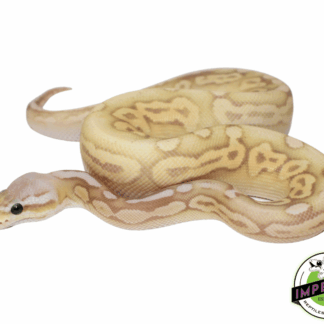
Looking for premium captive-bred reptiles in Evansville, IN? Morph Direct ships healthy, vet-checked exotic reptiles directly to your door with our 100% live arrival guarantee. We carry over 2,000 ball pythons for sale including ball pythons, crested geckos, and dozens of rare morphs you will not find at your local pet store.

Why Evansville Reptile Keepers Choose Morph Direct

Reptile keeping has exploded in Evansville and across IN in recent years. Whether you are a first-time keeper looking for a hardy beginner species or an experienced breeder searching for specific genetics, Morph Direct has the largest online selection of captive-bred reptiles available for delivery to Evansville.

Every animal we ship to Evansville, IN comes with:

  • 100% Live Arrival Guarantee — your reptile arrives healthy or we make it right
  • Overnight Priority Shipping with insulated packaging and temperature control
  • Individual photos — the animal you see is the exact animal you receive
  • Feeding records and verified morph genetics
  • Expert care support from experienced keepers

Popular Reptiles in Evansville

The most popular reptiles ordered by Evansville customers include ball pythons (especially banana, piebald, and blue eyed lucy morphs), leopard geckos (mack snow, tangerine, and blizzard morphs), bearded dragons, and crested geckos. Browse our full selection of over 2,000 animals available for shipping to Evansville, IN.

Shipping to Evansville, IN

We ship to Evansville and all of IN via FedEx Priority Overnight. Orders placed before 12pm EST Monday through Wednesday ship the same day. Your reptile will arrive at your door in Evansville the next morning, carefully packaged in an insulated container with appropriate heat or cold packs for the current weather conditions.

Browse All Reptiles

nn

Posted on Leave a comment

Reptiles for Sale in Victorville, CA — Morph Direct

Reptiles for Sale in Victorville, CA

Looking for premium captive-bred reptiles in Victorville, CA? Morph Direct ships healthy, vet-checked exotic reptiles directly to your door with our 100% live arrival guarantee. We carry over 2,000 exotic reptiles including bearded dragons, leopard geckos, and dozens of rare morphs you will not find at your local pet store.

Why Victorville Reptile Keepers Choose Morph Direct

Reptile keeping has exploded in Victorville and across CA in recent years. Whether you are a first-time keeper looking for a hardy beginner species or an experienced breeder searching for specific genetics, Morph Direct has the largest online selection of captive-bred reptiles available for delivery to Victorville.

Every animal we ship to Victorville, CA comes with:

  • 100% Live Arrival Guarantee — your reptile arrives healthy or we make it right
  • Overnight Priority Shipping with insulated packaging and temperature control
  • Individual photos — the animal you see is the exact animal you receive
  • Feeding records and verified morph genetics
  • Expert care support from experienced keepers

Popular Reptiles in Victorville

The most popular reptiles ordered by Victorville customers include ball pythons (especially banana, piebald, and blue eyed lucy morphs), leopard geckos (mack snow, tangerine, and blizzard morphs), bearded dragons, and crested geckos. Browse our full selection of over 2,000 animals available for shipping to Victorville, CA.

Shipping to Victorville, CA

We ship to Victorville and all of CA via FedEx Priority Overnight. Orders placed before 12pm EST Monday through Wednesday ship the same day. Your reptile will arrive at your door in Victorville the next morning, carefully packaged in an insulated container with appropriate heat or cold packs for the current weather conditions.

Browse All Reptiles

nn

Posted on Leave a comment

Reptiles for Sale in Lansing, MI — Morph Direct

Reptiles for Sale in Lansing, MI

Looking for premium captive-bred reptiles in Lansing, MI? Morph Direct ships healthy, vet-checked exotic reptiles directly to your door with our 100% live arrival guarantee. We carry over 2,000 reptiles for sale including bearded dragons, boa constrictors, and dozens of rare morphs you will not find at your local pet store.

Why Lansing Reptile Keepers Choose Morph Direct

Reptile keeping has exploded in Lansing and across MI in recent years. Whether you are a first-time keeper looking for a hardy beginner species or an experienced breeder searching for specific genetics, Morph Direct has the largest online selection of captive-bred reptiles available for delivery to Lansing.

Every animal we ship to Lansing, MI comes with:

  • 100% Live Arrival Guarantee — your reptile arrives healthy or we make it right
  • Overnight Priority Shipping with insulated packaging and temperature control
  • Individual photos — the animal you see is the exact animal you receive
  • Feeding records and verified morph genetics
  • Expert care support from experienced keepers

Popular Reptiles in Lansing

The most popular reptiles ordered by Lansing customers include ball pythons (especially banana, piebald, and blue eyed lucy morphs), leopard geckos (mack snow, tangerine, and blizzard morphs), bearded dragons, and crested geckos. Browse our full selection of over 2,000 animals available for shipping to Lansing, MI.

Shipping to Lansing, MI

We ship to Lansing and all of MI via FedEx Priority Overnight. Orders placed before 12pm EST Monday through Wednesday ship the same day. Your reptile will arrive at your door in Lansing the next morning, carefully packaged in an insulated container with appropriate heat or cold packs for the current weather conditions.

Browse All Reptiles

nn

Posted on Leave a comment

Reptiles for Sale in Peoria, IL — Morph Direct

Reptiles for Sale in Peoria, IL

Looking for premium captive-bred reptiles in Peoria, IL? Morph Direct ships healthy, vet-checked exotic reptiles directly to your door with our 100% live arrival guarantee. We carry over 2,000 exotic reptiles including bearded dragons, bearded dragons, and dozens of rare morphs you will not find at your local pet store.

Why Peoria Reptile Keepers Choose Morph Direct

Reptile keeping has exploded in Peoria and across IL in recent years. Whether you are a first-time keeper looking for a hardy beginner species or an experienced breeder searching for specific genetics, Morph Direct has the largest online selection of captive-bred reptiles available for delivery to Peoria.

Every animal we ship to Peoria, IL comes with:

  • 100% Live Arrival Guarantee — your reptile arrives healthy or we make it right
  • Overnight Priority Shipping with insulated packaging and temperature control
  • Individual photos — the animal you see is the exact animal you receive
  • Feeding records and verified morph genetics
  • Expert care support from experienced keepers

Popular Reptiles in Peoria

The most popular reptiles ordered by Peoria customers include ball pythons (especially banana, piebald, and blue eyed lucy morphs), leopard geckos (mack snow, tangerine, and blizzard morphs), bearded dragons, and crested geckos. Browse our full selection of over 2,000 animals available for shipping to Peoria, IL.

Shipping to Peoria, IL

We ship to Peoria and all of IL via FedEx Priority Overnight. Orders placed before 12pm EST Monday through Wednesday ship the same day. Your reptile will arrive at your door in Peoria the next morning, carefully packaged in an insulated container with appropriate heat or cold packs for the current weather conditions.

Browse All Reptiles

nn