Best Pet Reptiles for New Owners
You’ve decided to bring a reptile into your home, but the sheer number of species can be overwhelming. The biggest mistake I see new keepers make is choosing an animal based on looks alone, without considering its long-term care needs. The right beginner reptile is hardy, has manageable space requirements, and a predictable temperament. Let’s talk about the top contenders that fit that bill perfectly.
The Leopard Gecko: The Perfect Starter Lizard
If I had to recommend one single reptile for a first-timer, it would be the leopard gecko. They check every box. Adults only need a 20-gallon long tank, they’re entirely insectivorous (so no messy salads to prepare), and they are famously docile and easy to handle. Unlike many lizards, they don’t require intense UVB lighting if you supplement their diet properly with calcium and vitamin D3, which simplifies setup. Their care is straightforward: a warm hide around 88-92°F, a cool hide, and a moist hide to aid in shedding. At Morphdirect, we often have beautiful, healthy leopard gecko morphs starting around $79.99. They’re a long-term commitment, living 15-20 years, but their daily care is minimal once you have the habitat dialed in.
Crested Geckos: The Low-Maintenance Arboreal Choice
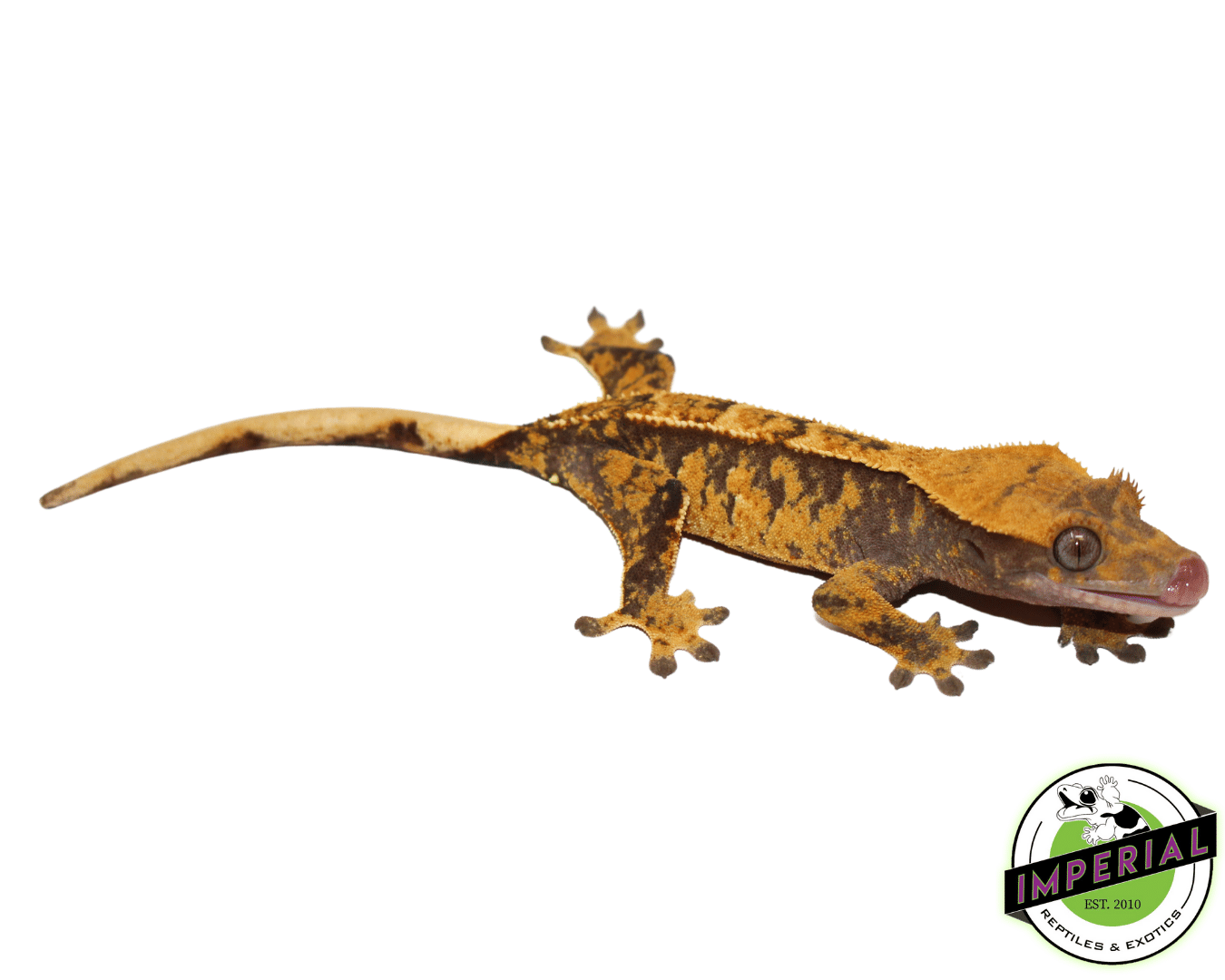
For those short on space or who want a reptile that doesn’t need live insects daily, the crested gecko is a fantastic option. These guys thrive in a vertically-oriented 18x18x24 inch enclosure filled with plants and branches. Their diet is incredibly simple: a complete powdered diet like Repashy or Pangea Crested Gecko Diet, mixed with water. You can offer insects as a weekly treat, but the powder is their staple. They do well at room temperature (72-78°F) and only need low-level UVB lighting, though it’s beneficial. They’re handleable, though a bit more skittish than leopard geckos, and their sticky-toed antics are endlessly entertaining. We stock everything you need for a crested gecko setup at Morphdirect, from the bioactive-ready enclosures to the trusted diet formulas.
Corn Snakes: The Classic Beginner Serpent
For the aspiring snake keeper, the corn snake is the undisputed champion for beginners. Why? They are exceptionally hardy, have a phenomenal feeding response (they rarely refuse a thawed mouse), and stay a manageable size, typically 4 to 5.5 feet. A 40-gallon breeder tank or similar enclosure is perfect for an adult. They require a simple thermal gradient: a warm side with an under-tank heater regulated by a thermostat at about 85°F, and a cool side in the 70s. With regular, gentle handling, they become incredibly calm and tolerant pets. Their morph diversity is astounding—you can find classic amelanistic corns for around $69.99 or delve into more intricate patterns. Their care is so reliable that they’re often the first snake I point people toward at Morphdirect.
Ball Pythons: For the Dedicated Beginner
Ball pythons deserve a mention, but with a caveat: they are a great “next step” beginner reptile or a perfect first for someone ready to be meticulous. They are generally docile and have modest space needs (a 4x2x2 foot enclosure is ideal for an adult). The challenge can be their famous fasting periods and their need for very specific humidity (60-70%) to shed properly. If you’re willing to invest in a proper PVC enclosure, a quality thermostat, and a reliable humidity gauge, they are incredibly rewarding. Their morph market is vast, with normal types starting around $89.99 and designer morphs reaching into the thousands. We always advise new ball python owners to have their setup running perfectly for a week before bringing the snake home.
Setting Up for Success: What You Really Need
Choosing the animal is only half the battle; proper setup is what separates a thriving pet from a struggling one. Never skimp on the essentials: an appropriately sized enclosure, a reliable heat source (always paired with a thermostat to prevent burns), accurate digital thermometers/hygrometers, and the correct lighting if needed. For the geckos, a variety of hides is non-negotiable for their sense of security. For snakes, a secure lid is paramount—they are escape artists. Buying a complete kit can be tempting, but they often include subpar or unnecessary items. It’s better to purchase quality components separately. At Morphdirect, our reptile kits are curated by keepers to include only what you actually need, like our Leopard Gecko Starter Kit which focuses on the critical heating and hiding elements without the filler.
What are the best reptiles for beginners?
The absolute best starters are leopard geckos, crested geckos, and corn snakes. They are hardy, have straightforward dietary and habitat needs, and are typically very tolerant of handling. I always recommend researching their adult size and lifespan (often 15+ years) before committing.
What is the easiest reptile to take care of?
In terms of daily effort, a crested gecko is arguably the easiest. Their primary food is a prepared powdered diet you mix with water, they don’t require high temperatures, and their enclosure maintenance is minimal compared to messy eaters like some lizards.
What is the friendliest reptile pet?
For consistent, docile temperament, leopard geckos and corn snakes are hard to beat. With regular, gentle handling from a young age, they become exceptionally calm and are unlikely to bite. Bearded dragons are also very friendly but require more space and upkeep.
Are reptiles expensive to keep?
The initial setup is the biggest cost, ranging from $200 to $500+ for a proper enclosure, heating, lighting, and decor. After that, monthly costs are relatively low—primarily for food (insects or frozen rodents) and substrate. Always budget for an emergency vet fund, as exotic care can be pricey.
Browse our reptiles collection
Last updated: April 13, 2026
nn