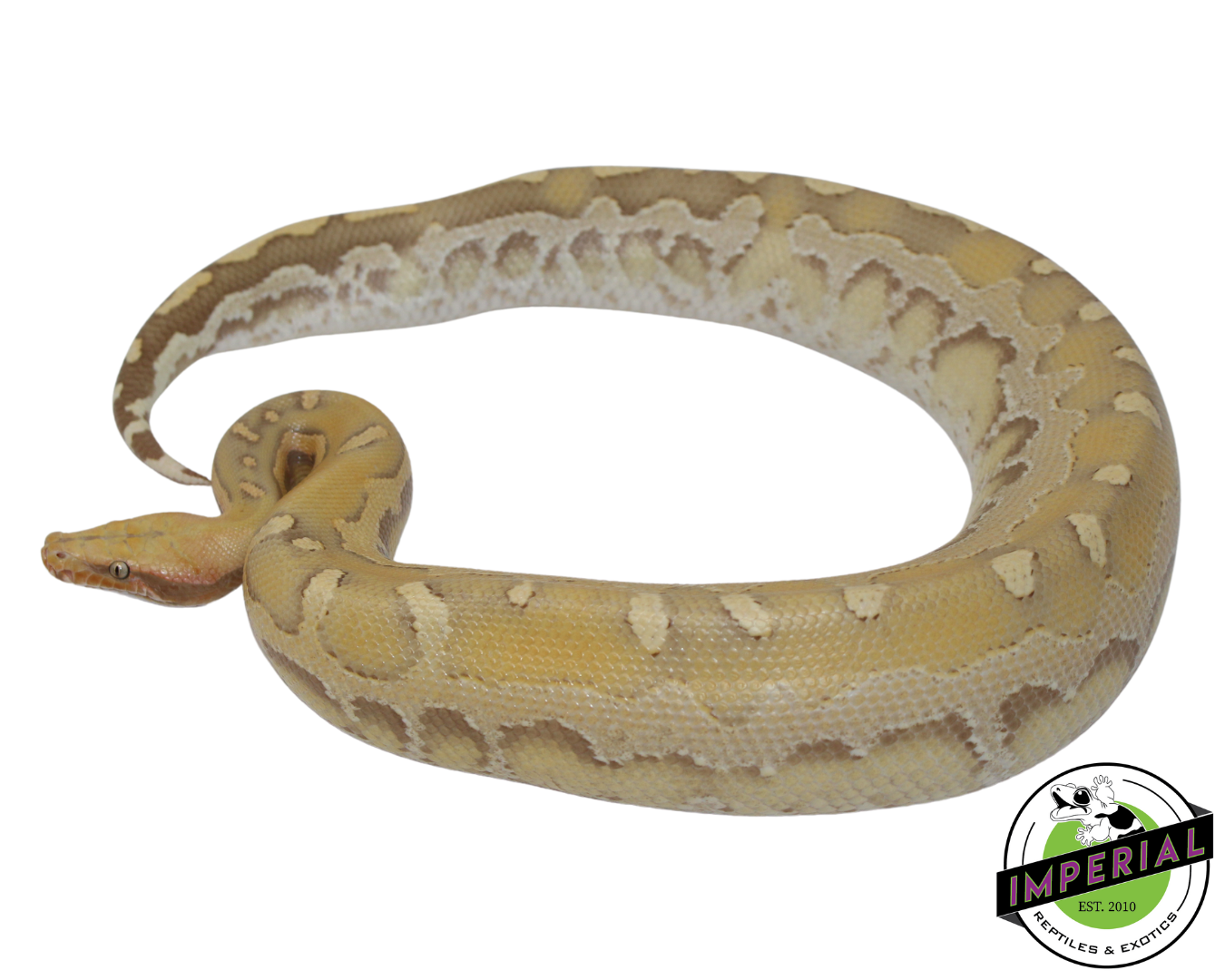
Best Beginner Reptiles: Our Top 5 Picks
You’ve decided to get a reptile, but staring at hundreds of species online is overwhelming. The good news is, a handful of species are practically tailor-made for first-time keepers, combining hardiness, manageable size, and a gentle temperament. I’ve helped hundreds of new owners get started, and the key is choosing an animal that forgives the small mistakes we all make while learning. Let’s cut through the noise and look at the five best reptiles to start your journey.
1. The Leopard Gecko: The Perfect Starter Lizard
If I had to recommend one single reptile for a beginner, it’s the leopard gecko (Eublepharis macularius). Here’s why: they’re small (typically 7-10 inches), don’t require expensive UVB lighting because they’re crepuscular, and they have wonderfully docile personalities. A 20-gallon long tank is perfect for an adult. Their diet is simple—gut-loaded insects like crickets and mealworms dusted with calcium powder. At Morphdirect, we work with breeders who prioritize health and temperament, so you’re getting a gecko that’s already well-started. Their care is straightforward: a warm hide around 88-92°F, a cool hide, a moist hide for shedding, and a simple under-tank heater. You’ll be amazed at how much personality is packed into such a small, spotted package.
2. The Corn Snake: The Classic First Snake
For anyone wanting a snake, the corn snake (Pantherophis guttatus) is the undisputed champion for beginners. They rarely exceed 5 feet, have an incredibly docile nature, and are feeding champions on pre-killed frozen/thawed mice. A 40-gallon breeder tank or similar enclosure will house an adult comfortably. They need a thermal gradient with a warm side of about 85°F and a cool side in the 70s, which is easy to achieve with a simple heat mat regulated by a thermostat—a non-negotiable piece of equipment for safety. Corn snakes come in over 50 stunning color morphs, from the classic “Normal” to Amelanistic and Anerythristic types. Their predictable care and tolerance for handling make them a joy. We always have a selection of healthy, feeding corn snake juveniles at Morphdirect, perfect for starting your collection.
3. The Bearded Dragon: The Interactive Companion
Bearded dragons (Pogona vitticeps) are often called the “puppy dogs” of the reptile world for good reason. They are highly interactive, often seeming to enjoy time out of their enclosure with their owners. Their care is a step up from a leopard gecko, but still very manageable for a committed beginner. An adult requires a minimum 4x2x2 foot enclosure (120 gallons). They are diurnal and need strong UVB lighting (a T5 HO 10.0 or 12% tube is standard) for 12-14 hours a day, along with a basking spot of 100-110°F. Their diet is omnivorous: a mix of leafy greens and vegetables daily, and insects like dubia roaches or crickets. While their startup cost is higher due to the larger enclosure and lighting, their engaging personality is worth the investment for many.
4. The Crested Gecko: The Low-Maintenance Arboreal
Crested geckos (Correlophus ciliatus) revolutionized reptile keeping when they were rediscovered. Their biggest selling point? They can thrive at room temperature (72-78°F) and don’t require supplemental heat in most homes. They are primarily arboreal, so a tall 18x18x24 inch enclosure is ideal for an adult. Their diet is incredibly simple: a complete powdered diet like Repashy or Pangea Crested Gecko Diet, mixed with water. You can offer insects as a treat. They are delicate and can drop their tails (it won’t grow back), so gentle handling is key. For someone who wants a visually stunning, low-heat pet that’s easy to feed, the crested gecko is a top contender. We source ours from breeders focused on robust health and vibrant color patterns.
5. The Ball Python: The Gentle Giant (That’s Not So Giant)
Ball pythons (Python regius) deserve a spot on this list, but with a very important caveat: they are for the patient beginner. They are famously docile and have a manageable size (3-5 feet), but they can be picky eaters, especially as juveniles. This is where buying from a reputable source like Morphdirect is critical—we ensure our ball pythons are established on frozen/thawed rodents. An adult needs a minimum 4x2x2 foot enclosure with high humidity (60-70%) and a warm hide at 88-92°F. They are heavy-bodied, feel substantial in your hands, and their defensive “ball” pose is where they get their name. With thousands of morphs available, from Pastels to Pieds, they offer incredible variety. If you’re prepared for potential feeding challenges, their calm demeanor is incredibly rewarding.
Setting Up for Success: What You Really Need
Choosing the right animal is only half the battle; proper setup is what ensures a long, healthy life. The biggest mistake I see is skimping on the essentials. First, the enclosure must be secure and appropriately sized for the adult animal—don’t plan on multiple “upgrades.” Second, heating must always be controlled by a reliable thermostat to prevent burns. Third, most of these species require specific humidity levels, measured by a digital hygrometer. For lighting, diurnal species like bearded dragons need quality UVB tubes replaced every 6-12 months. Finally, don’t forget the basics: appropriate substrate, multiple hides, clean water, and decor for climbing or enrichment. Investing in the right equipment from the start saves you money and stress later. You can find vetted kits and individual components for all these species in our habitat supplies section.
What reptiles are good pets for beginners?
The best beginner reptiles are the leopard gecko, corn snake, bearded dragon, crested gecko, and ball python. These species are generally hardy, have manageable size and dietary needs, and possess temperaments suitable for handling. Each has slightly different requirements, so your choice should fit your budget, space, and the type of interaction you want.
What is the easiest reptile to take care of?
For sheer ease of care, the leopard gecko and crested gecko are top contenders. Leopard geckos have simple heating and dietary needs (insects), while crested geckos can live at room temperature and thrive on a complete powdered diet. Both are small, don’t require massive enclosures, and are typically very docile.
What is the friendliest reptile for a pet?
Bearded dragons are often considered the friendliest due to their interactive, curious nature and tolerance for handling. However, leopard geckos and corn snakes are also exceptionally docile and calm when handled regularly. “Friendliness” often comes down to consistent, gentle interaction from a young age.
Are reptiles low-maintenance pets?
Compared to dogs or cats, reptiles are lower maintenance in terms of daily attention, but they are not “no-maintenance.” They require precise environmental control (heat, humidity, lighting), specific diets, and regular enclosure cleaning. Once their habitat is correctly set up, the daily time commitment is relatively low, but the responsibility for their specialized care is high.
Browse our reptiles collection
Last updated: April 13, 2026
nn