Description
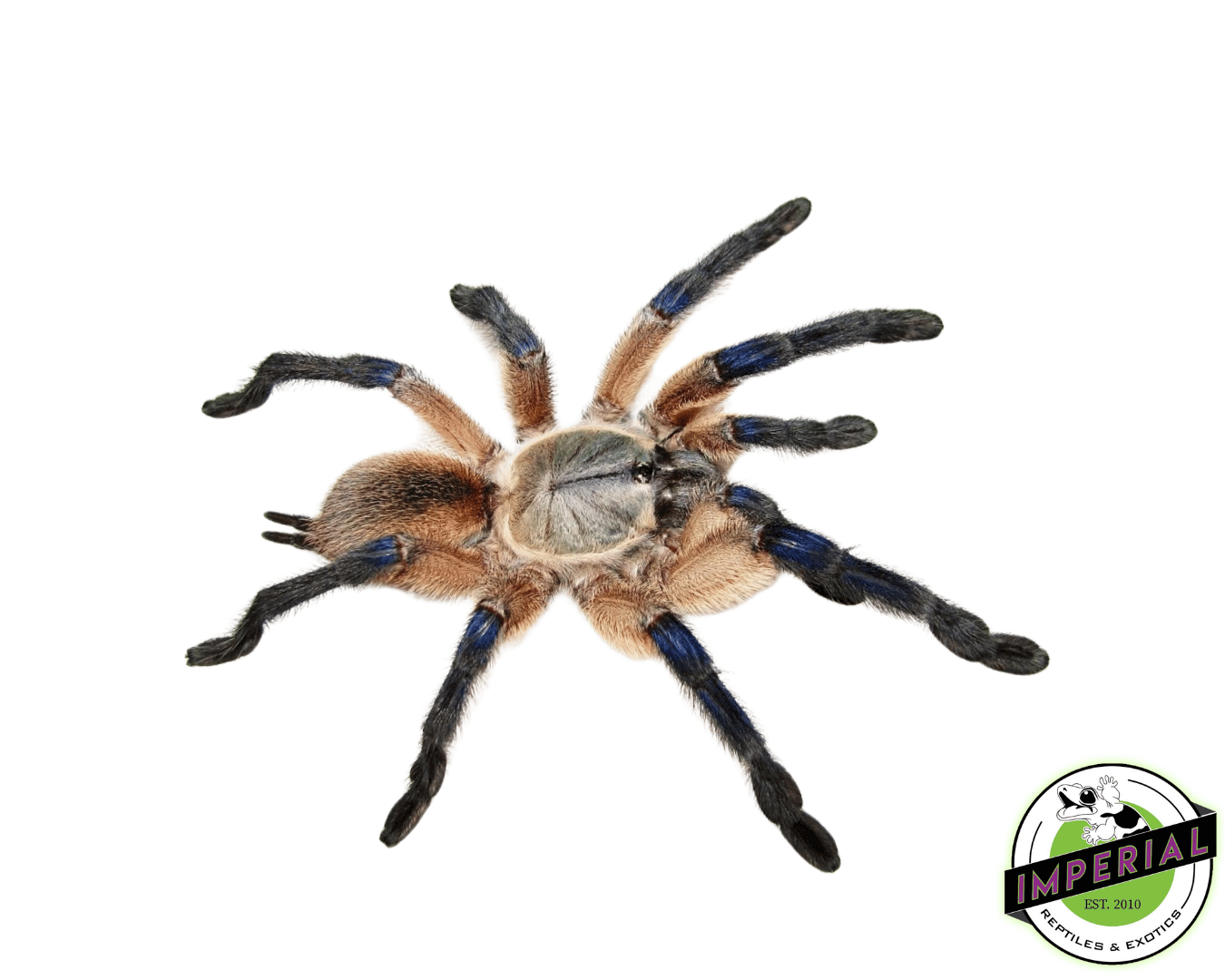
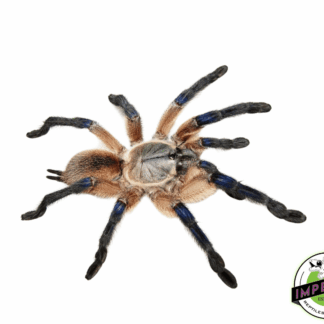
The Socotra Island Blue Baboon (Monocentropus balfouri) Adult Female is a premier, communal tarantula species for the advanced keeper. Prized for its striking blue-gray coloration and complex social behavior, this specimen offers a unique display and breeding opportunity. We added this species to our catalog in mid-2024 based on consistent, positive feedback from our network of reliable breeders.
Stand-Out Features
- Communal Potential: One of the few tarantula species that can be housed in groups under expert care, allowing for fascinating social observation.
- Striking Coloration: Mature females display a sophisticated blue-gray carapace and legs, contrasted with a light tan abdomen.
- Webbing Architecture: A prolific webber, creating extensive, intricate tunnel and sheet webbing that transforms its enclosure into a living sculpture.
- Established Adult: This is a confirmed, mature female, ready for breeding projects or as a long-term display specimen.
- Reliable Temperament: Known for being relatively calm for an Old World species, though it possesses potent venom and should be treated with respect.
Technical Data
| Scientific Name | Monocentropus balfouri |
| Common Name | Socotra Island Blue Baboon |
| Type | Old World, Terrestrial/Fossorial |
| Growth Rate | Medium |
| Adult Size (Diagonal Leg Span) | 4.5 – 5.5 inches |
| Lifespan (Female) | 12 – 15 years |
| Weight (measured) | 2.3 oz |
| Origin | Socotra Archipelago (Yemen) |
Your Questions Answered
Is this species suitable for beginners?
No. Monocentropus balfouri is an Old World tarantula with medically significant venom and fast reflexes. It is recommended for intermediate to advanced keepers with prior experience in handling defensive or fast species.
Can I keep these tarantulas communally?
Yes, this is one of their most notable traits. Successful communal setups require a large, well-established enclosure with ample hiding spaces and food, and should only be attempted with spiderlings or juveniles from the same sac. Introducing mature adults carries high risk.
What are the housing requirements?
Provide a secure terrestrial enclosure with a deep (6+ inch), slightly moist substrate like coconut fiber or a soil/sand mix for burrowing. Include a cork bark hide and anchor points for extensive webbing. Maintain low humidity (60-70%) and a temperature gradient of 78-85°F.
✅ Plain brown box — no markings
✅ Not happy? Return within 30 days.
✅ Checkout secured with SSL encryption
✅ Domestic shipping — no customs
nn
Reviews
There are no reviews yet.