Description
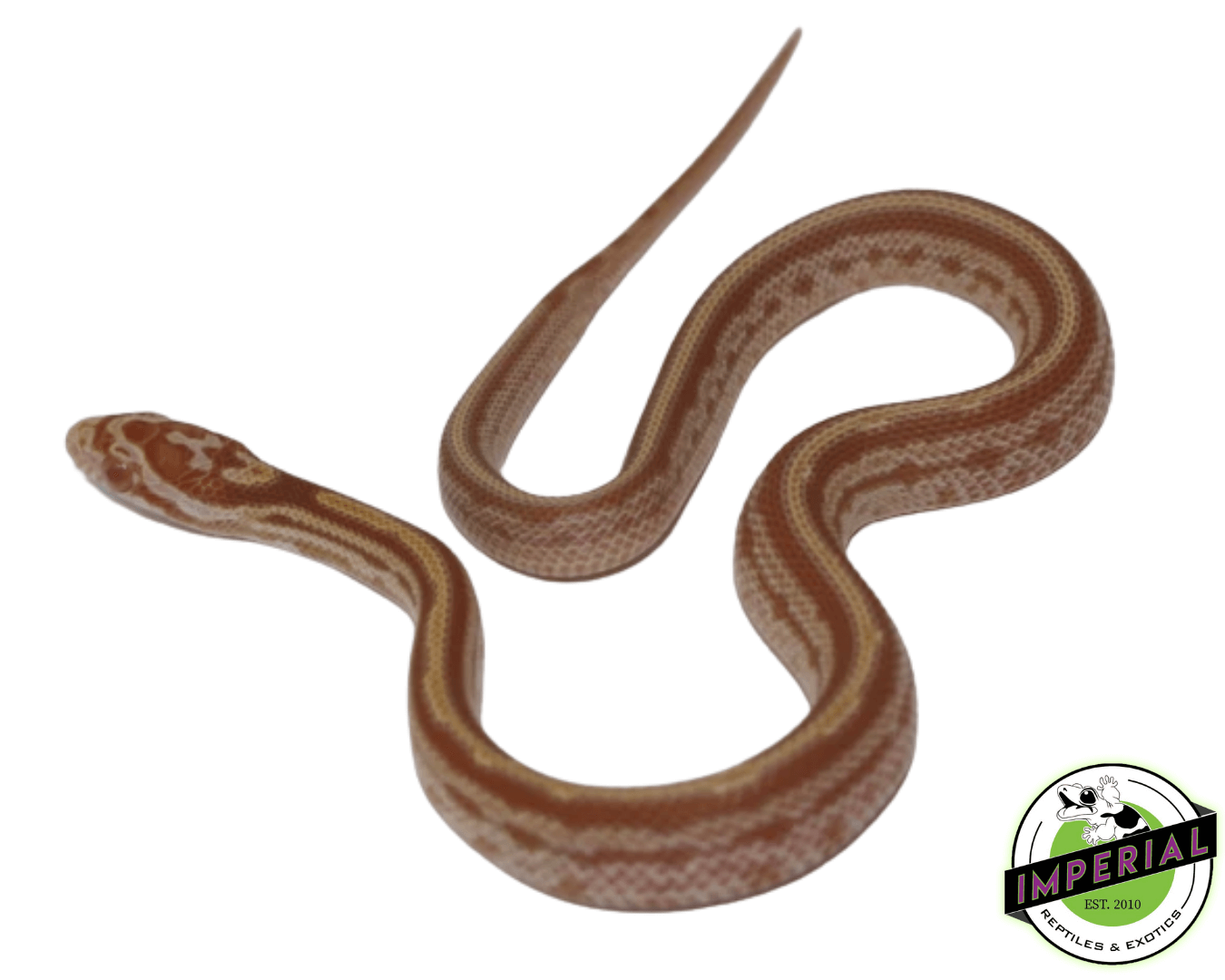
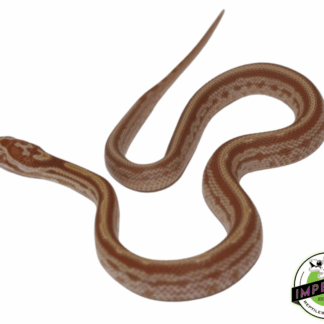
The Tessera Butter Corn Snake Baby is a captive-bred reptile for hobbyists seeking a visually striking, manageable pet snake. This morph combines the clean Tessera pattern with the soft yellow and orange Butter coloration, producing consistent, vibrant offspring. We’ve carried this morph since early 2026, and its reliable genetics and appealing looks have made it a regular reorder item for our collection.
Stand-Out Features
- Distinctive Coloration: Features the soft, buttery yellow and orange hues combined with the clean, striped Tessera pattern for a unique appearance.
- Proven Genetics: Tessera is a dominant gene, offering excellent odds of producing more Tessera offspring in future breeding projects.
- Ideal Starter Size: As a baby, it’s the perfect size to begin a proper acclimation and feeding routine in a standard 10-20 gallon enclosure.
- Predictable Temperament: Corn snakes are known for their generally docile nature, making them a solid choice for both new and experienced keepers.
- Feeding Reliability: This line has shown consistent feeding responses on thawed pinky mice, a key factor for healthy growth.
Technical Data
| Morph | Tessera Butter |
| Life Stage | Baby (Hatchling) |
| Scientific Name | Pantherophis guttatus |
| Weight (measured) | 2.7 oz |
| Current Size | Approx. 12-18″ in length |
| Diet | Thawed frozen pinky mice |
| Sex | Currently unsexed (Probing available upon request) |
| Availability | Captive Bred |
Your Questions Answered
What size enclosure does a baby corn snake need?
A 10-gallon glass terrarium or a similarly sized plastic tub is sufficient to start. Provide a secure lid, a hide on both the warm and cool ends, a water bowl, and appropriate substrate like aspen shavings. They will require larger housing as adults.
How often should I feed it?
Feed one appropriately sized thawed frozen pinky mouse every 5-7 days. The prey item should be no wider than the snake’s body at its widest point. Always use feeding tongs and allow the snake to eat undisturbed in its enclosure.
Is the Tessera pattern genetic?
Yes. The Tessera gene is a dominant mutation. This means breeding a Tessera to a normal corn snake will statistically produce roughly 50% Tessera babies. Breeding Tessera to Tessera can produce super forms, though they are visually similar.
✅ Plain brown box — no markings
✅ Not happy? Return within 30 days.
✅ Checkout secured with SSL encryption
✅ Domestic shipping — no customs
Reviews
There are no reviews yet.