Description
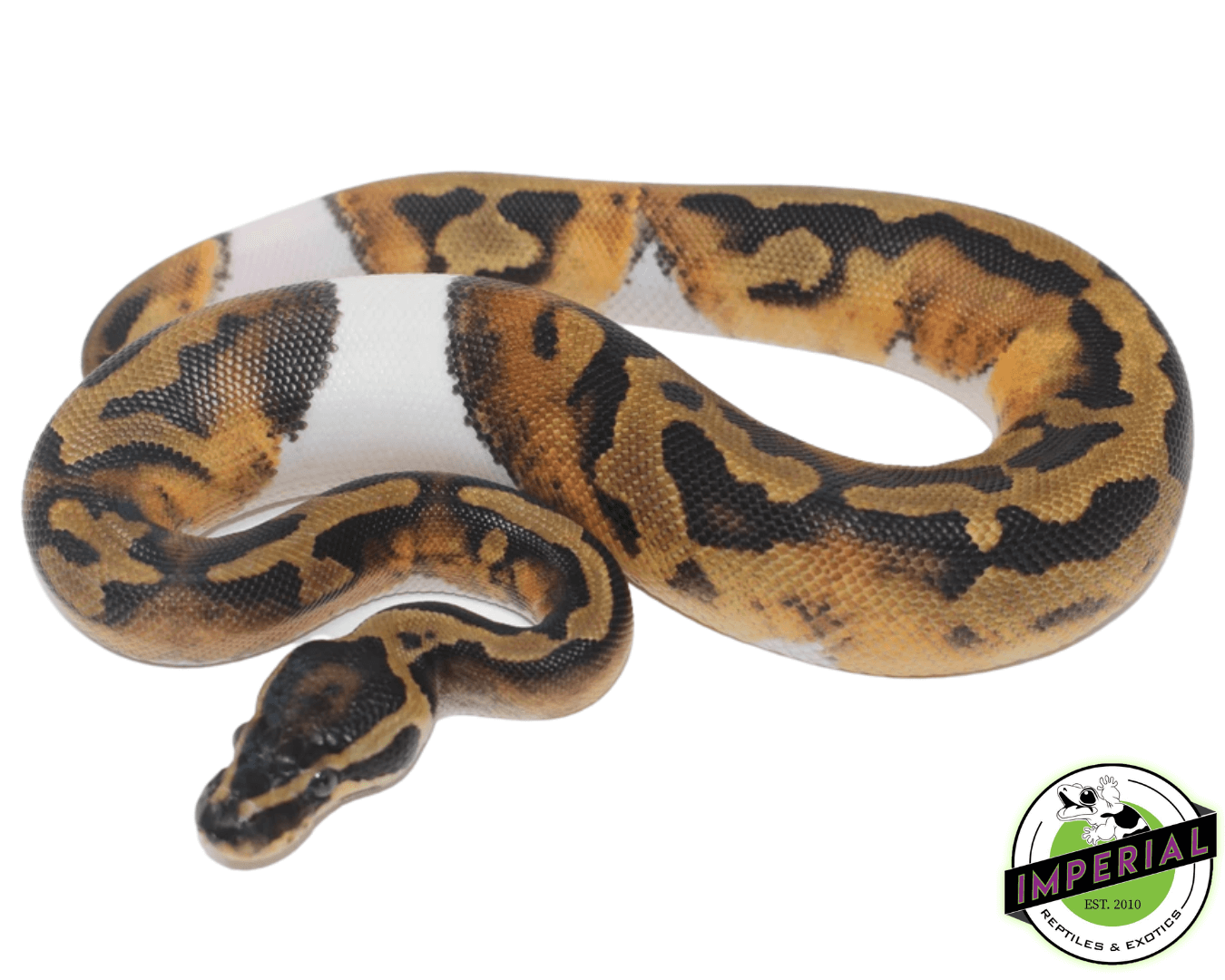
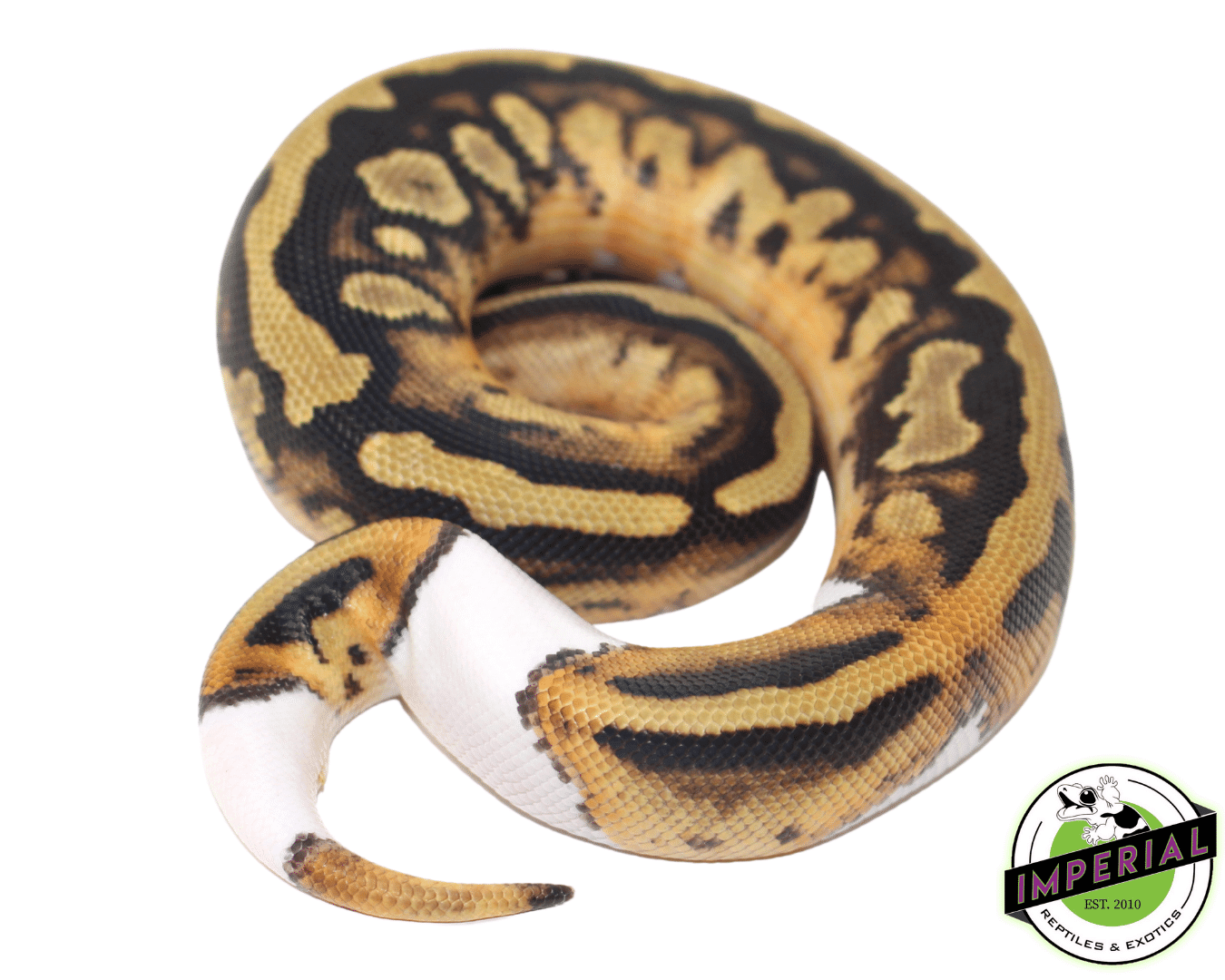
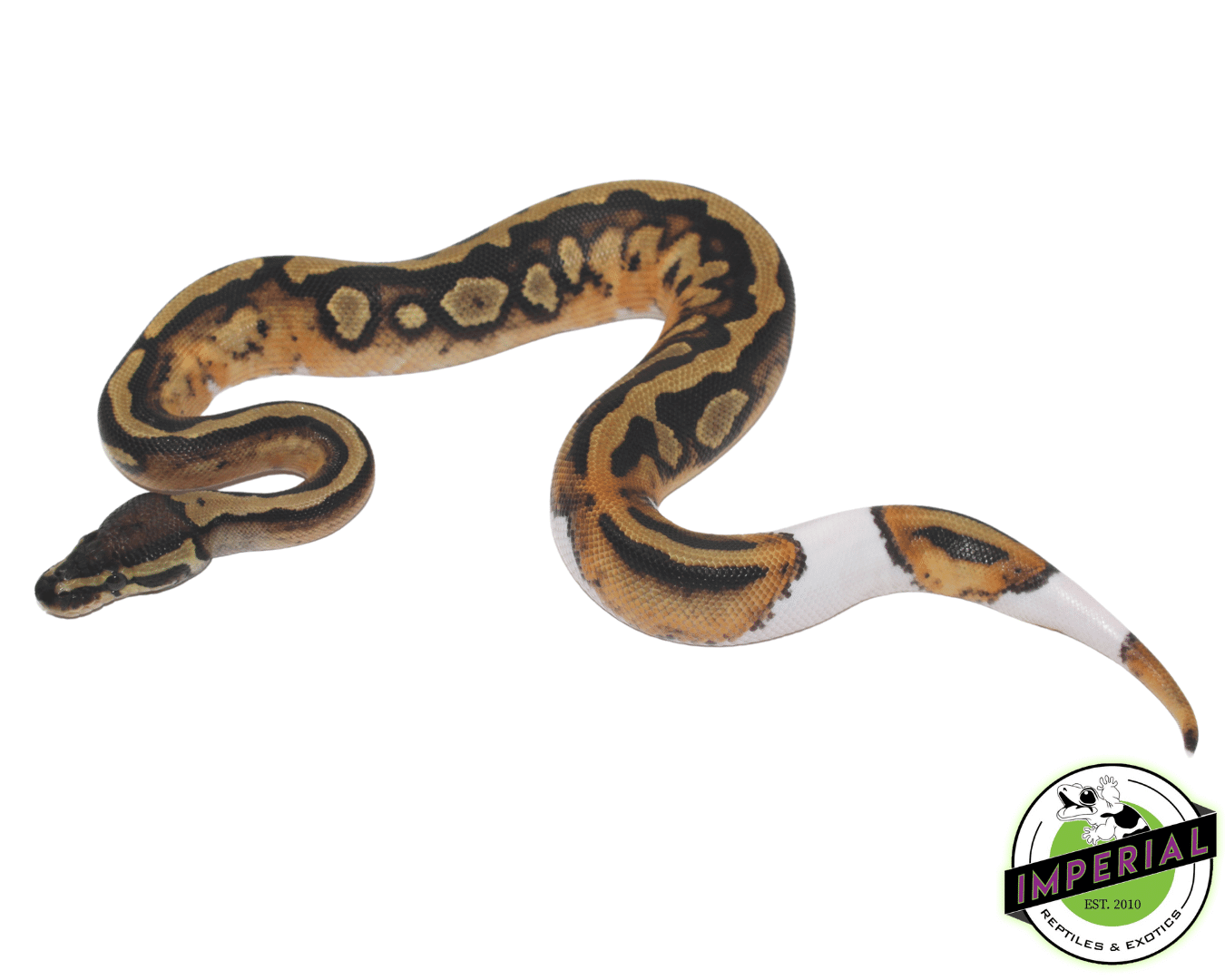
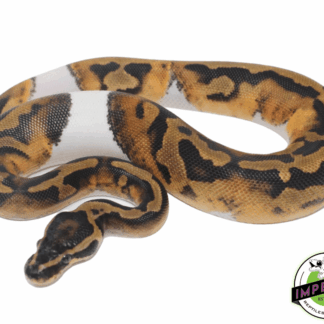
The Pied Ball Python (High-Pattern) is a visually striking morph, defined by its clean white patches interrupting the snake’s normal coloration. It’s for the keeper seeking a classic, high-contrast pied presentation with reliable genetics. Since we added it in spring 2025, it has consistently ranked among our top-selling ball python morphs for its predictable, bold patterning.
Stand-Out Features
- High-Contrast Patterning: Exhibits large, clean white patches sharply defined against the darker base color, creating a dramatic visual effect.
- Proven Genetics: A well-established recessive morph, guaranteeing the pied trait is passed to all offspring when bred to another visual pied.
- Classic Morph Appeal: Represents one of the original and most sought-after ball python mutations, a cornerstone of many breeding projects.
- Excellent Temperament: Maintains the ball python’s renowned docile nature, making it a manageable specimen for intermediate to advanced keepers.
- Visual Impact: Each animal’s pattern is unique, but this line consistently produces a high percentage of white, maximizing the pied aesthetic.
Technical Data
| Morph | Pied (High-Pattern) |
| Scientific Name | Python regius |
| Genetic Trait | Recessive |
| Sex | Unsexed Juvenile (sexing available upon request) |
| Feeding Status | Established on frozen/thawed rodents |
| Weight (measured) | 2.1 oz |
| Age | Juvenile |
| Availability | Captive Bred |
Your Questions Answered
What does “High-Pattern” mean for this pied?
“High-Pattern” refers to the expression of the pied gene in this specific line. It indicates a tendency for larger, more connected white patches, resulting in a higher percentage of white on the animal compared to low-expression or “low-white” pied specimens. The pattern is bold and visually dominant.
Is this snake ready for breeding?
This is a juvenile animal. While it carries the visual pied gene, it is not yet of breeding size or age. Ball pythons typically reach sexual maturity between 18 months and 3 years of age, depending on feeding regimen and growth. Focus on proper husbandry and steady growth before considering breeding.
How should I set up the enclosure?
Provide a secure enclosure (10-20 gallon for a juvenile) with a thermal gradient: a warm side of 88-92°F and a cool side of 78-80°F. Humidity should be maintained between 50-60%, with a spike during shed. Include a snug hide on both the warm and cool ends, a water bowl, and appropriate substrate like coconut husk or cypress mulch.
✅ Plain brown box — no markings
✅ Not happy? Return within 30 days.
✅ Checkout secured with SSL encryption
✅ Domestic shipping — no customs
A note on packaging: The animal you receive is healthy, feeding, and correctly identified. We have noted that the external shipping box used by the supplier can be flimsy; we reinforce all shipments to ensure safe arrival. The animal itself is the priority.
Reviews
There are no reviews yet.