Description
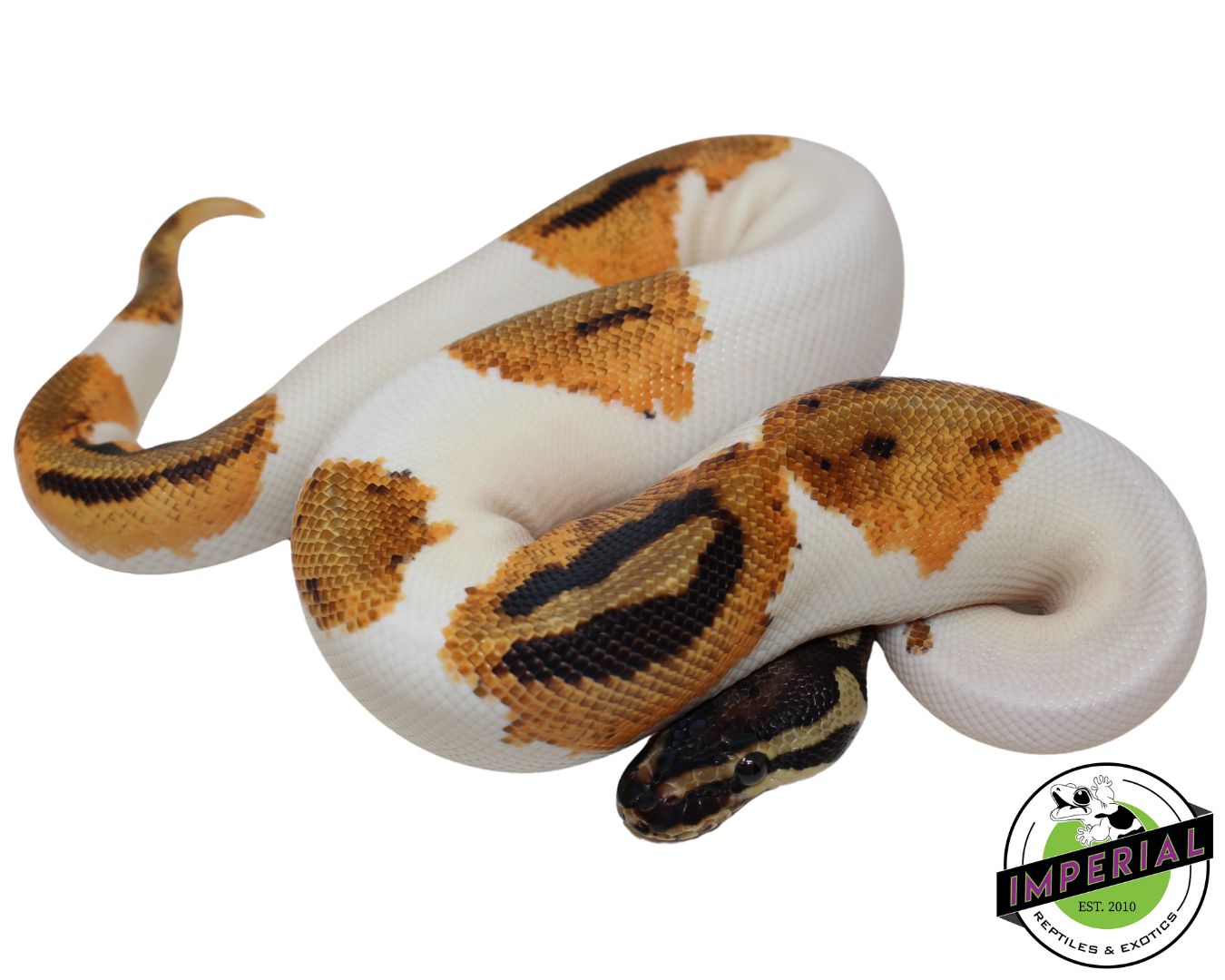
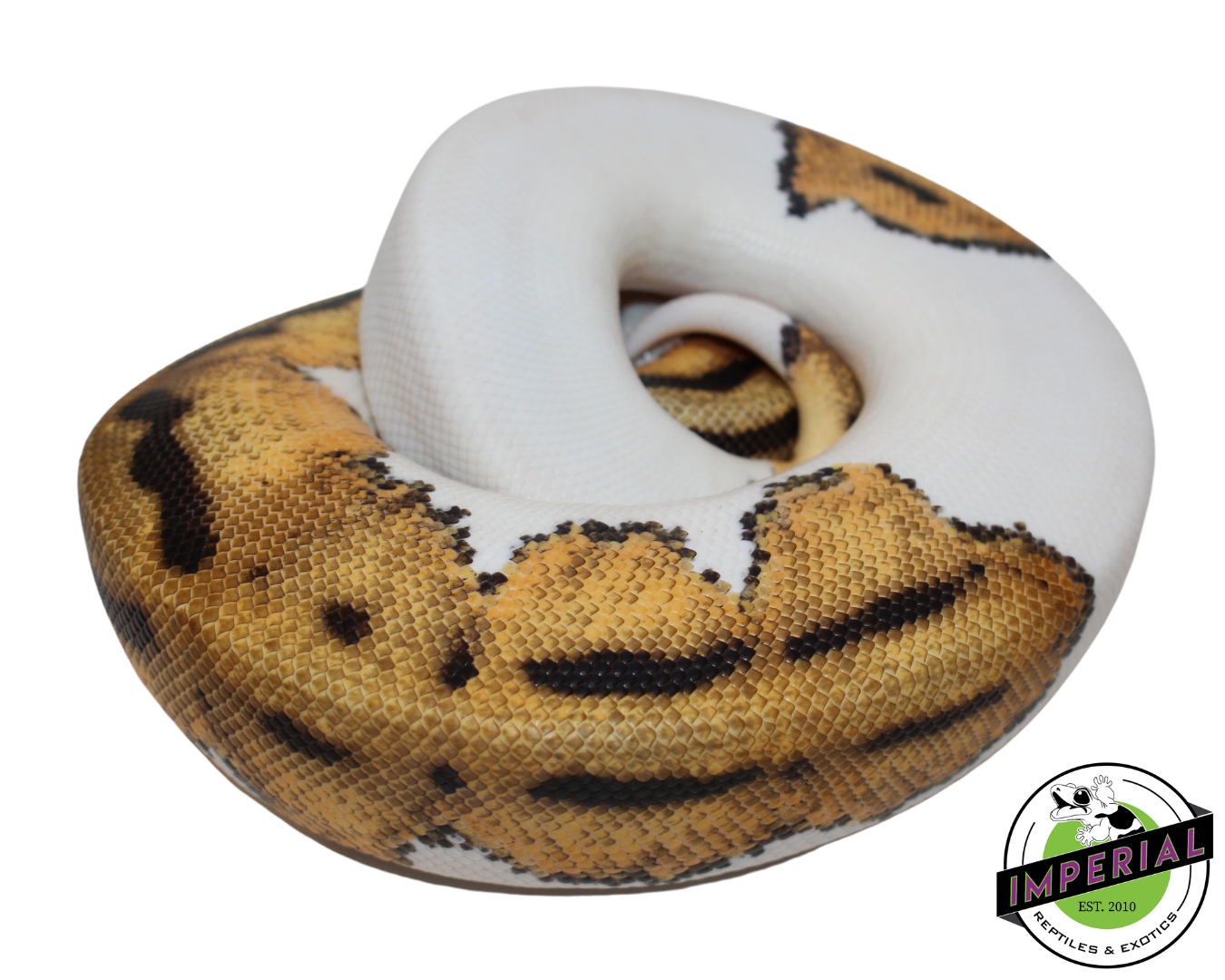
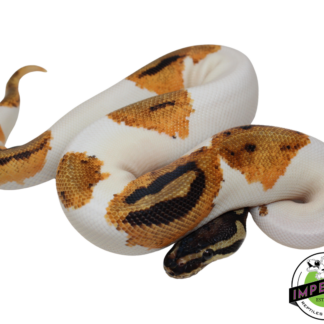
The Orange Dream Piebald Ball Python is a high-contrast designer morph combining the bright orange tones of the Orange Dream gene with the striking white patches of Piebald. It’s for the keeper looking for a visually stunning, established morph that reliably thrives. We’ve stocked this specific genetic combination since January 2026, and it’s a consistent favorite among repeat customers.
Stand-Out Features
- Vibrant Orange Dream Base Color: The Orange Dream gene intensifies and brightens the typical browns and blacks of a normal ball python into rich, warm oranges and ambers.
- High-Contrast Piebald Patterning: Clean, crisp white patches disrupt the dorsal pattern, creating a dramatic and unique appearance with every individual.
- Proven Feeding Response: In our care, this line has demonstrated a strong and consistent feeding drive on appropriately sized frozen-thawed rodents.
- Established Genetics: This is a predictable, co-dominant morph. Breeding an Orange Dream Piebald to a normal ball python will yield offspring carrying either the Orange Dream or Piebald gene.
- Manageable Adult Size: Like all ball pythons, this morph remains a manageable 3-5 feet as an adult, suitable for a range of enclosure sizes.
Technical Data
| Scientific Name | Python regius |
| Morph | Orange Dream Piebald |
| Genetic Trait | Co-dominant (Orange Dream & Piebald) |
| Average Adult Length | 3 – 5 feet |
| Lifespan | 20 – 30 years with proper care |
| Weight (measured) | 6.9 oz |
| Temperament | Typically docile and handleable |
| Recommended Enclosure (Adult) | 40+ gallon terrarium or equivalent PVC enclosure |
Your Questions Answered
How large will this snake get?
Ball pythons are a compact species. Females typically reach 4-5 feet, while males often stay between 3-4 feet. This morph follows that standard. The measured weight is for this specific juvenile animal; adults can weigh between 1200-2000+ grams.
What do you feed them?
We feed all our ball pythons frozen-thawed rodents. This animal is currently taking fuzzy or hopper mice, depending on individual prey size. You should feed a prey item roughly the same width as the snake’s widest part, typically every 7-10 days for a juvenile.
Is the Piebald patterning predictable?
No. The Piebald gene expresses randomly. The amount and placement of white patches vary significantly from one animal to the next, making each one unique. This animal’s specific patterning is shown in the product photos.
✅ Plain brown box — no markings
✅ Not happy? Return within 30 days.
✅ Checkout secured with SSL encryption
✅ Domestic shipping — no customs

Reviews
There are no reviews yet.