Description
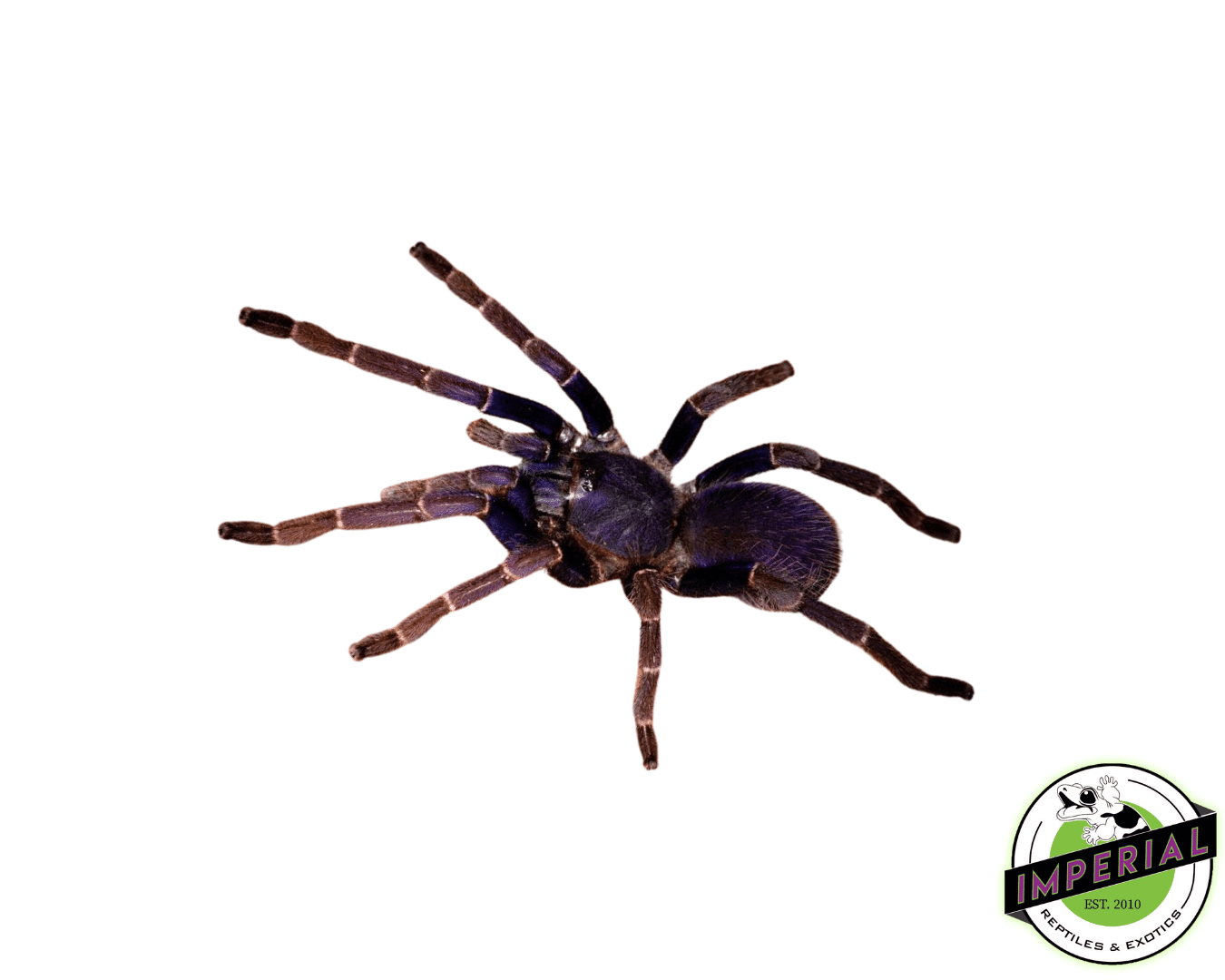
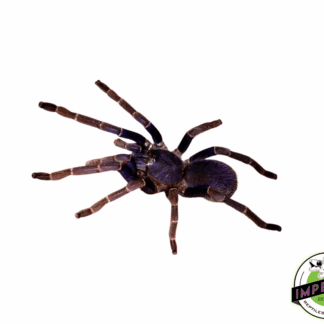
The Malaysian Blue Femur Tarantula (Psednocnemis brachyramosa) is a terrestrial Old World species prized for its striking blue leg coloration and manageable size. This is an excellent choice for intermediate to advanced keepers seeking a visually impressive, active display tarantula. Since its arrival on our shelves in fall 2025, this species has become one of our most-reordered items, with customers frequently returning for a second specimen.
Stand-Out Features
- Vibrant Blue Femurs: The defining characteristic is the brilliant, metallic blue coloration on the upper leg segments (femurs), which contrasts sharply with the dark body.
- Active & Visible: Unlike many fossorial species, this tarantula is often out in the open, making it an engaging display animal.
- Robust & Hardy: Known for a good feeding response and resilience when kept in proper conditions, contributing to its low return rate.
- Moderate Growth Rate: Reaches a respectable adult size without the extremely slow maturation of some other sought-after species.
- Established Captive-Bred Stock: We source from reputable breeders, ensuring healthy, acclimated animals for our customers.
Technical Data
| Scientific Name | Psednocnemis brachyramosa |
| Common Name | Malaysian Blue Femur Tarantula |
| Type | Terrestrial, Old World |
| Adult Size (Diagonal Leg Span) | Approx. 5 – 5.5 inches |
| Temperament | Fast, defensive; not recommended for handling |
| Weight (measured) | 2.1 oz (average for a sub-adult specimen) |
| Recommended Enclosure | 10-gallon terrarium or equivalent with secure lid |
| Origin | Captive-Bred (Species native to Malaysia) |
Your Questions Answered
Is this species suitable for a beginner?
No. This is an Old World tarantula, meaning it possesses potent venom and a fast, defensive temperament. It should only be kept by those with prior experience keeping tarantulas, specifically other Old World or fast-moving species. It is a display animal, not for handling.
What are the ideal housing conditions?
Provide a terrestrial setup with 4-5 inches of slightly moist (not wet) substrate like coconut fiber or topsoil for burrowing. Include a hide, a shallow water dish, and maintain ambient temperatures between 75-82°F with moderate humidity. Good cross-ventilation is crucial to prevent stagnant air.
What do you feed it?
This species has a strong feeding response. Offer appropriately sized live prey such as crickets, dubia roaches, or mealworms once or twice a week for a sub-adult. Remove uneaten prey items. Adult specimens can take larger prey like adult crickets or the occasional small hornworm.
✅ Plain brown box — no markings
✅ Not happy? Return within 30 days.
✅ Checkout secured with SSL encryption
✅ Domestic shipping — no customs
Reviews
There are no reviews yet.