Description
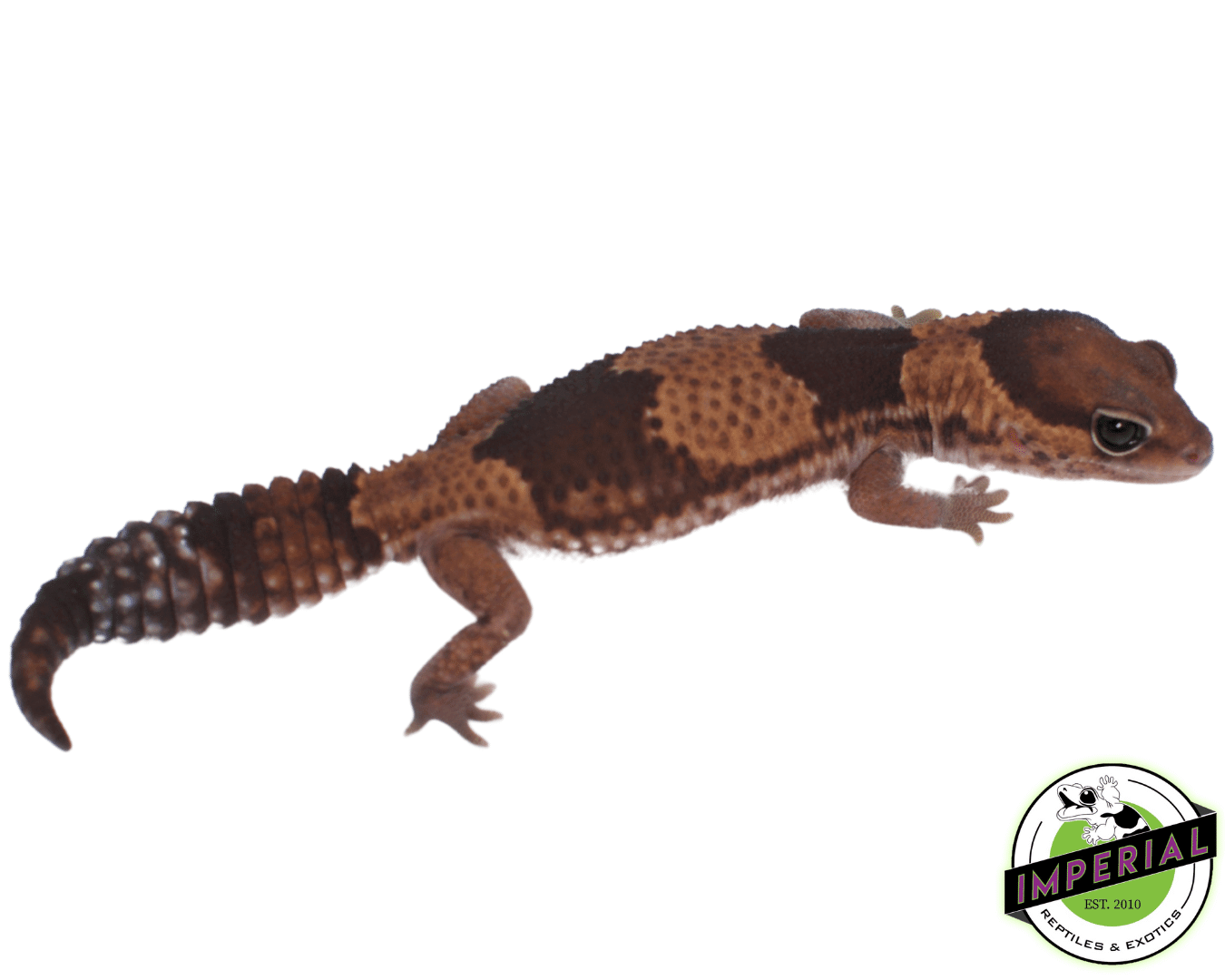
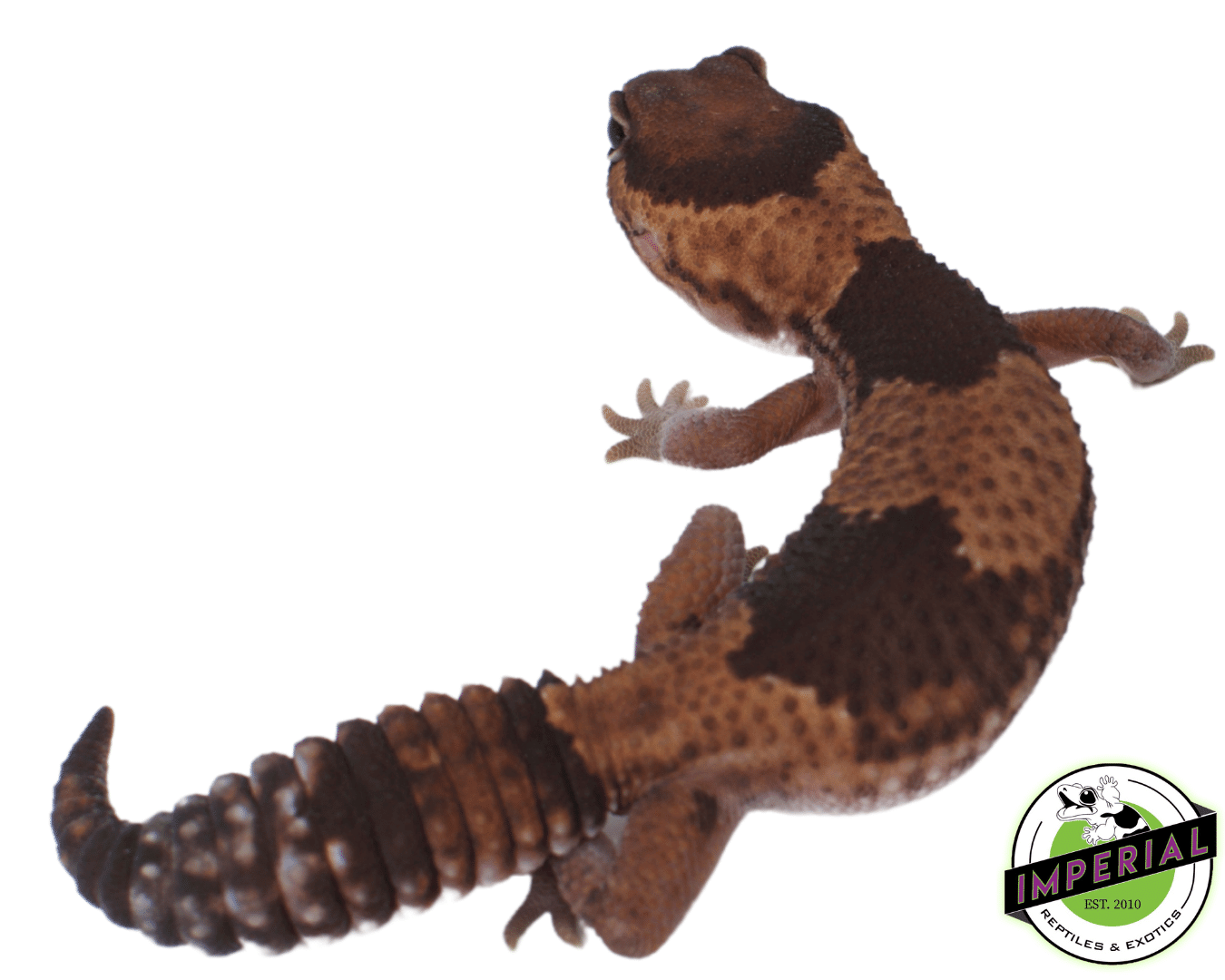
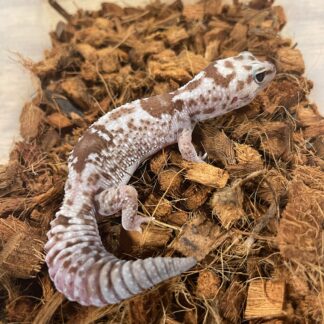
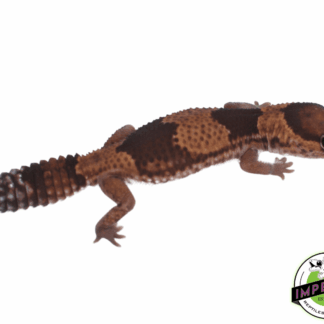
The Het Patty African Fat Tail Gecko is a distinct morph for the intermediate to advanced keeper looking for a unique, hardy gecko with striking pattern potential. This animal is a proven breeder and a reliable feeder, as noted by our staff during its evaluation. Added to our catalog in early 2025, this line has quickly earned a reputation for quality.
Stand-Out Features
- Proven Het Patty Genetics: Carries the recessive Patty gene, allowing you to produce the high-contrast, patternless Patty morph when paired correctly.
- Exceptional Feeder: Our staff observed reliable feeding on both appropriately sized live insects, demonstrating a strong appetite and ease of care.
- Robust Health: African Fat Tails (AFTs) are known for their hardy nature and manageable humidity requirements compared to some other gecko species.
- Breeding Project Ready: This is a solid foundation animal for anyone serious about working with the Patty morph.
- Confident Demeanor: Typically displays a calm and tractable temperament, making it a good handleable pet.
Technical Data
| Species | Hemitheconyx caudicinctus |
| Morph | Het Patty (Heterozygous for Patty) |
| Sex | Unsexed Juvenile (Sexing available upon request) |
| Age | Approx. 3-6 months |
| Weight (measured) | 7.1 oz |
| Diet | Live Insects (e.g., crickets, dubia roaches) |
| Recommended Enclosure | 20-gallon long or equivalent for adult |
| Primary Habitat | Terrestrial, requiring hides and moderate humidity |
Your Questions Answered
What does “Het Patty” mean?
“Het” stands for heterozygous. This gecko carries one copy of the recessive Patty gene. It will display normal pattern but can pass the gene to offspring. Breeding it to another Het Patty or a visual Patty can produce visual Patty morph offspring.
How is this different from a Leopard Gecko?
African Fat Tail Geckos require slightly higher humidity and are often more terrestrial. They are generally stockier and have a distinct, fat tail used for nutrient storage. Their care is similar but not identical; AFTs need a moist hide at all times.
What is its current feeding schedule?
As a juvenile, it is fed 4-6 appropriately sized live insects every other day. We recommend a varied diet of gut-loaded crickets, dubia roaches, and occasional mealworms, all dusted with calcium and vitamins.
✅ Plain brown box — no markings
✅ Not happy? Return within 30 days.
✅ Checkout secured with SSL encryption
✅ Domestic shipping — no customs
Reviews
There are no reviews yet.