Description
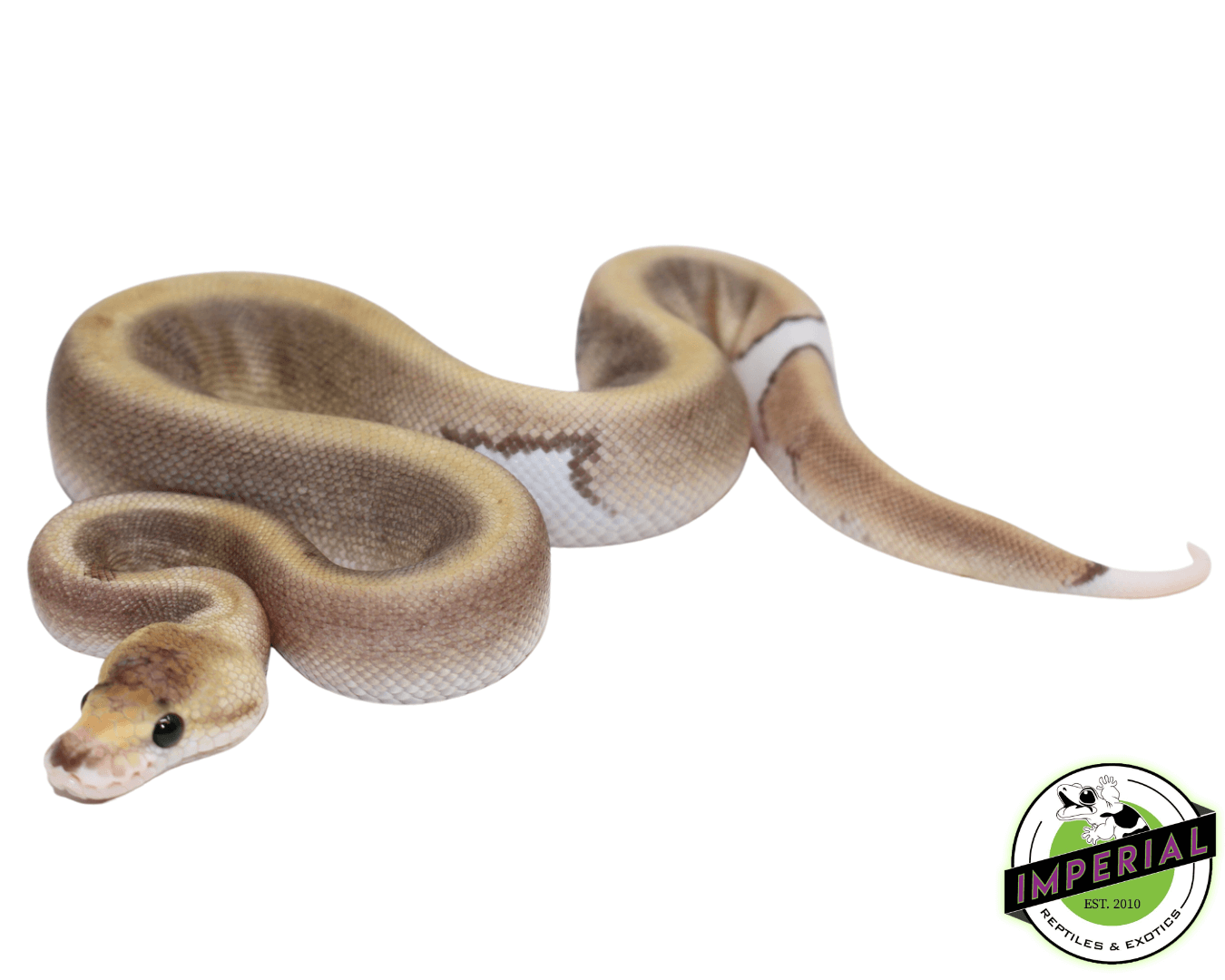
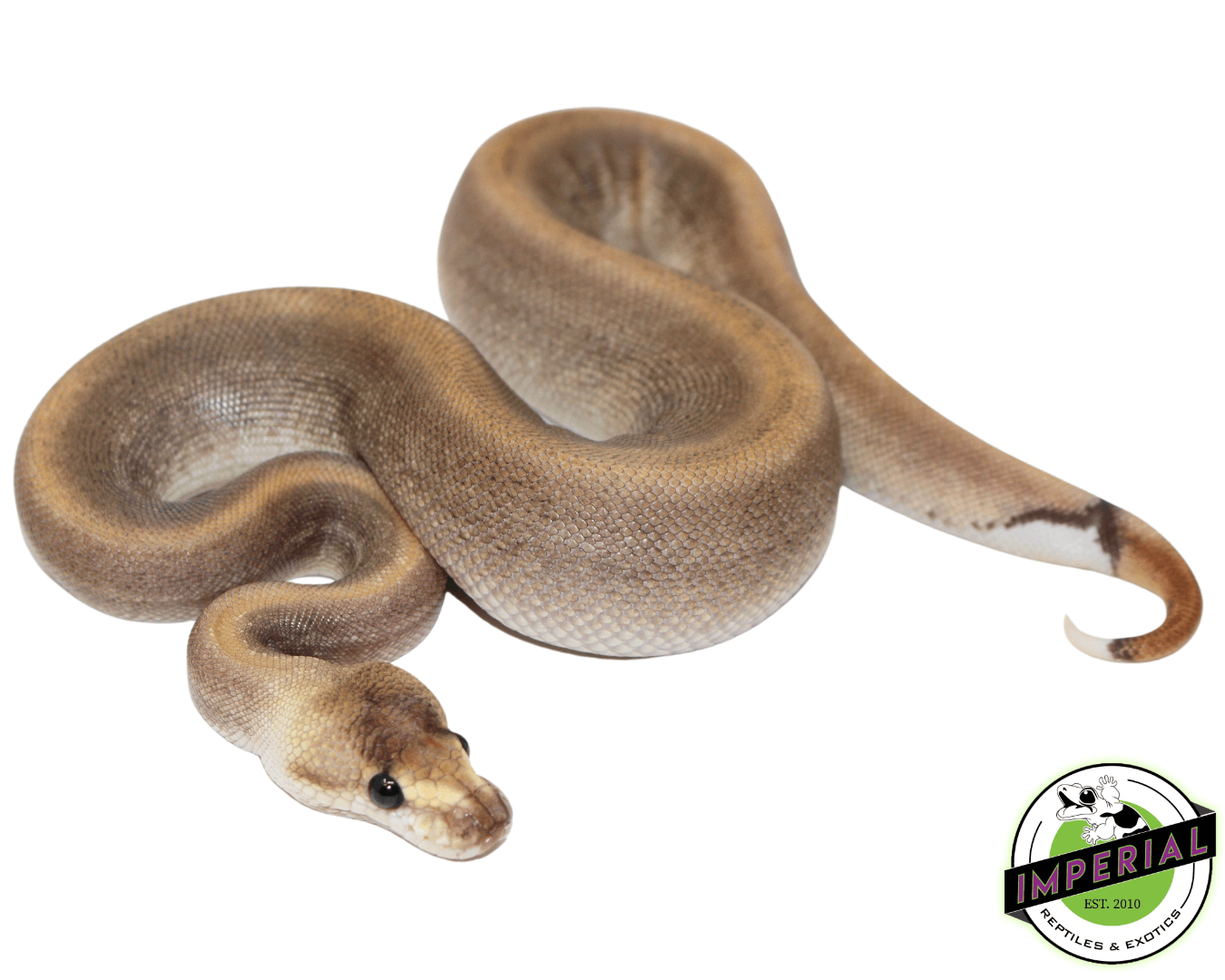
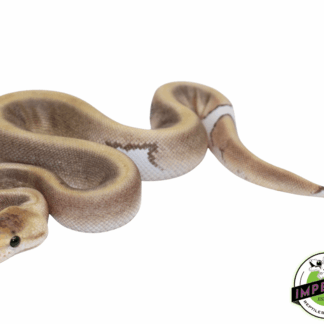
The Cinnamon Champagne Ball Python combines two popular morphs into a single, striking animal. This is a solid choice for intermediate to advanced keepers looking to add a unique pattern and coloration to their collection. Since we began carrying it in early 2024, it has consistently been a top seller due to its reliable temperament and distinct appearance.
Stand-Out Features
- Distinctive Coloration: The Cinnamon gene reduces black pigment, creating rich browns and tans, while the Champagne gene washes out pattern and adds a golden hue, resulting in a uniquely blended, high-contrast snake.
- Proven Feeding Response: In our experience, this morph maintains the Ball Python’s characteristic strong feeding instinct. It accepts frozen-thawed rodents without issue.
- Manageable Size: Like all Ball Pythons, this is a heavy-bodied but manageable constrictor, typically reaching 3-5 feet in length as an adult.
- Established Genetics: Both the Cinnamon and Champagne are co-dominant traits, making this animal a potential breeder for producing other complex morphs like the Super Cinnamon or Pewter Champagne.
- Consistent Demand: Its popularity makes it a regular reorder item for our inventory, indicating strong resale value and collector interest.
Technical Data
| Species | Python regius |
| Morph | Cinnamon Champagne |
| Genetic Makeup | Co-dominant Cinnamon & Champagne |
| Typical Adult Length | 3 – 5 feet |
| Lifespan | 20 – 30 years with proper care |
| Weight (measured) | 1.5 oz |
| Temperament | Typically docile, may ball up when nervous |
| Recommended Experience Level | Intermediate to Advanced |
Your Questions Answered
What size enclosure does this snake need?
A hatchling can start in a 10-20 gallon enclosure. A single adult requires a minimum of a 40-gallon breeder tank or a 4’x2’x2′ PVC enclosure. Proper hides, a water bowl, and a thermal gradient are essential.
Is the Champagne gene associated with any health issues?
The Champagne gene is co-dominant and is not linked to known congenital health defects like the Spider wobble. However, all Ball Pythons require consistent husbandry—stable temperatures (88-92°F hot side, 78-80°F cool side) and humidity (50-60%)—to thrive.
Can I breed this snake?
Yes. Breeding a Cinnamon Champagne to a normal Ball Python will statistically produce 50% normals and 50% single-gene animals (either Cinnamon or Champagne). Breeding to another Cinnamon Champagne or other morphs can yield more complex combinations. Always research genetics thoroughly before breeding.
✅ Plain brown box — no markings
✅ Not happy? Return within 30 days.
✅ Checkout secured with SSL encryption
✅ Domestic shipping — no customs
Reviews
There are no reviews yet.