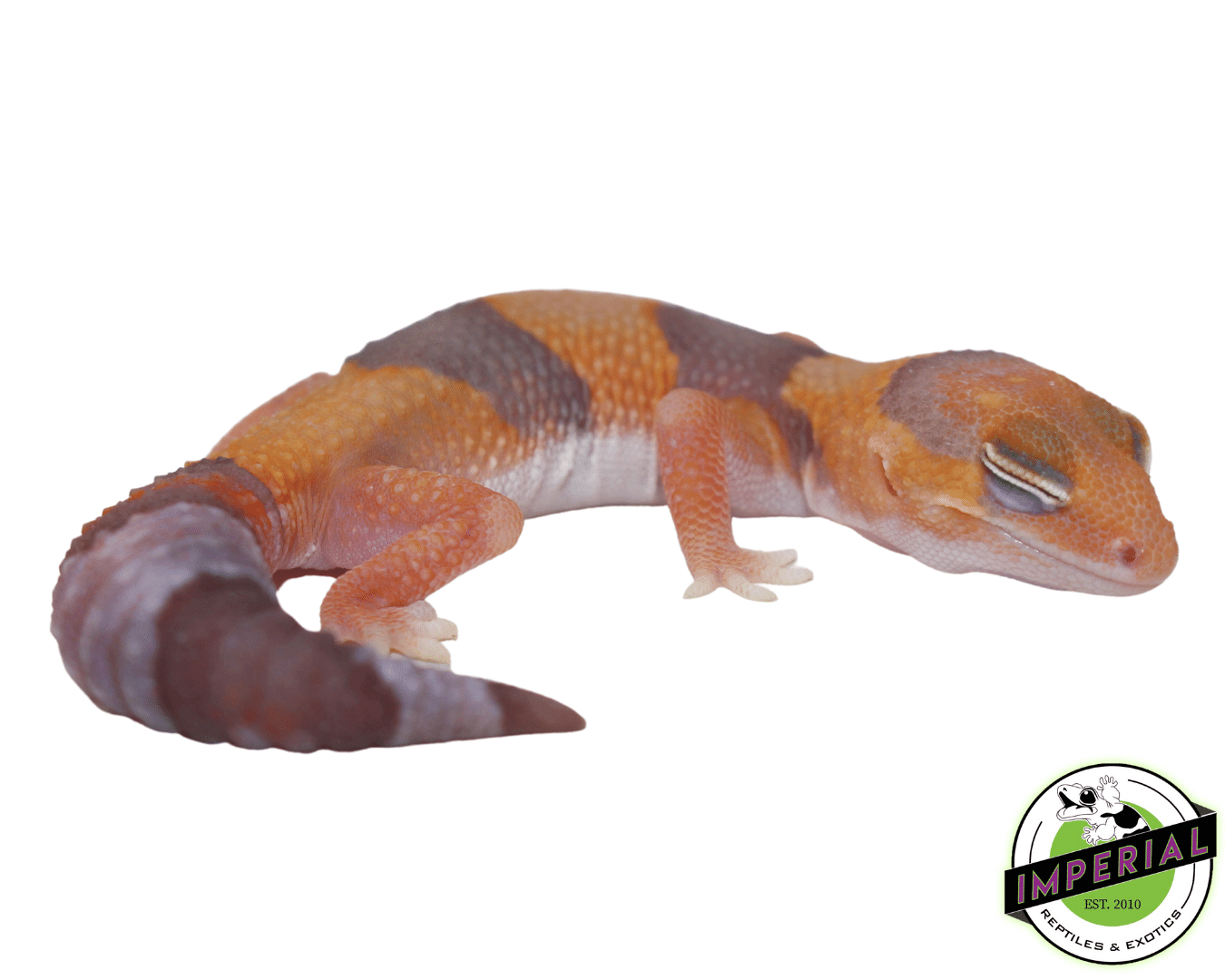
How Reptiles Reproduce: A Keeper’s Guide
You’ve set up the perfect enclosure, dialed in the temperatures, and your snakes or lizards are thriving. Then you notice something unexpected: a clutch of leathery eggs in the humid hide, or perhaps a pair of your geckos locked in a peculiar embrace. Understanding reptile reproduction isn’t just academic; it’s essential for any keeper who might find themselves with surprise offspring or who is considering responsible breeding. The process varies wildly, from egg-laying kingsnakes to live-bearing skinks, and getting it right requires specific knowledge and equipment.
The Two Main Methods: Oviparity vs. Viviparity
Most reptiles are oviparous, meaning they lay eggs. This includes all pythons, kingsnakes, corn snakes, most geckos, and bearded dragons. The eggs have a leathery or calcified shell and require specific humidity and temperature to develop, often in an incubator. Viviparity, or live birth, is less common but found in some boas (like the common Boa constrictor), many skinks, and garter snakes. Here, embryos develop inside the mother with a placenta-like structure, and she gives birth to fully-formed offspring. There’s also a middle ground called ovoviviparity, where eggs are retained inside the mother until they hatch immediately before or after being laid, seen in some chameleons and snakes. Knowing which category your reptile falls into is the first step to managing or understanding any breeding behavior.
Courtship, Mating, and the “Lock”
Reptile courtship can be subtle or dramatic. Male bearded dragons perform slow head bobs and arm waves, while male leopard geckos vibrate their tails rapidly. In snakes, the male will often chase the female, align his body with hers, and use his spurs (vestigial limbs) to stimulate her. Successful mating in snakes is often confirmed by a “copulatory lock,” where the male’s hemipenes (reptiles have two) are everted and literally lock inside the female’s cloaca. This can last from a few minutes to several hours. It’s crucial to only introduce animals for breeding when they are at optimal health and weight. A gravid (egg-carrying) female has massive nutritional demands, so having a reliable food source is critical. We always recommend having a supply of high-quality feeders from a trusted supplier like Morphdirect on hand before even considering pairing animals.

Shop Reptile Supplies: Ensure you have the right nutrition and incubators for breeding projects.
The Egg-Laying Process and Incubation
For oviparous species, the female will seek out a suitable nesting site when she’s ready to lay. In captivity, this means providing a secure lay box filled with a moist, retainable substrate like sphagnum moss or a vermiculite/perlite mix. After laying, the eggs should be carefully removed—without rotating them—and placed in a pre-set incubator. The incubation medium, often vermiculite or perlite mixed with water by weight (a 1:1 ratio by weight is a common starting point), must hold moisture without being soggy. Temperature dictates both incubation speed and, for many species, the sex of the hatchlings (a phenomenon known as temperature-dependent sex determination, common in many turtles and some lizards). A stable, quality incubator like the Hovabator or ReptiBator is a non-negotiable investment for egg layers.
Hatchling Care and Early Life
When hatchlings emerge, they are often self-sufficient but incredibly vulnerable. They may not feed until after their first shed. Housing must be escape-proof and appropriately sized, with fine-grade substrate to prevent impaction and perfect humidity to aid shedding. Hatchling snakes often start on pinky mice, while baby lizards may need pinhead crickets or fruit fly cultures. Their set-up is just as important as the adults’, requiring precise thermostats and hides. Many new keepers are unprepared for the sudden need for multiple, tiny enclosures and a steady supply of appropriately-sized food. Planning ahead is everything, and having a source for small enclosures, thermostats, and feeders, such as the selection at Morphdirect, can make the difference between success and failure.
How do reptiles reproduce?
Most reptiles reproduce by laying eggs (oviparity), like snakes and lizards. The female deposits leathery-shelled eggs in a nest or humid hide, which then require incubation. Some species, like certain boas and skinks, give birth to live young (viviparity), where the embryos develop inside the mother.
How do lizards reproduce?
Most lizards, such as bearded dragons and leopard geckos, are oviparous and lay eggs. The male courts the female, often with visual displays like head bobs, and mating occurs. The female later lays a clutch of eggs that need to be incubated. Some lizards, like many Blue-Tongued Skinks, are live-bearers.
How do reptiles mate?
Male reptiles use courtship behaviors to attract a female, which can include chasing, biting, or visual displays. In snakes, mating involves a “copulatory lock” where the male’s hemipenes evert and lock inside the female’s cloaca. Successful mating requires both animals to be healthy and in breeding condition, often following a cooling period (brumation).
Browse our reptiles collection
Last updated: April 05, 2026