Choosing Your Perfect Pet Reptile
You’ve decided to bring a reptile into your home, but staring at the dozens of species available can be overwhelming. The choice between a bearded dragon and a leopard gecko isn’t just about looks—it’s about committing to a specific set of care requirements, space needs, and interaction styles for the next 10 to 20 years. Getting this decision right from the start is the single most important factor for both your happiness and the animal’s wellbeing.
Activity & Interaction: The Lap Dog vs. The Window Shopper
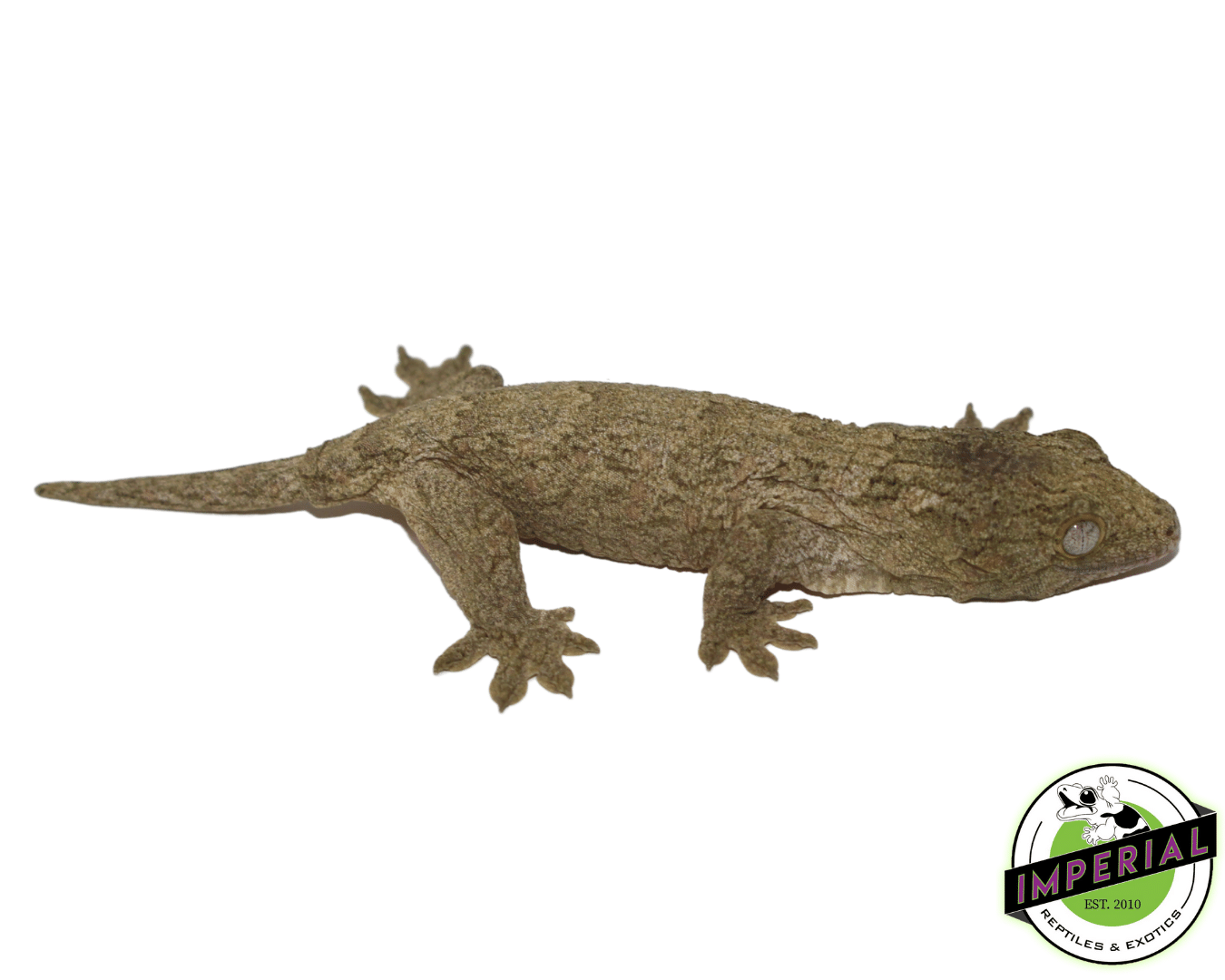
If you want a reptile that seems to engage with you, a bearded dragon is hard to beat. Many will willingly sit on your shoulder for hours, watch TV, and even learn to recognize feeding times. They are diurnal (active during the day), which aligns perfectly with human schedules. In contrast, a leopard gecko is crepuscular (most active at dawn/dusk). They are more observational pets; you’ll enjoy watching them explore their enclosure, but handling sessions are usually shorter and calmer. For a truly hands-off display animal, consider a crested gecko. They are stunning jumpers and climbers but are often less inclined to be held for long periods. Your desired level of daily interaction should guide this choice more than anything else.
Housing & Setup Complexity
The enclosure is your reptile’s entire world, and its complexity varies wildly. A ball python, for instance, needs a secure, humid hide and a thermal gradient in a tank that’s at least 40 gallons for an adult. You’re managing heat mats, thermostats, and humidity gauges. A corn snake has similar space needs but generally requires lower humidity. On the simpler end, a leopard gecko thrives in a 20-gallon long tank with a straightforward under-tank heater, a warm hide, a cool hide, and a moist hide for shedding. At Morphdirect, we always recommend pairing your new pet with the correct enclosure kit from the start—it prevents stress and health issues down the line.
Diet & Feeding: Live Prey vs. Prepared Foods
Be honest with yourself about your comfort level with insect care. Bearded dragons and leopard geckos are insectivores, requiring a steady supply of live crickets, dubia roaches, and mealworms, which need to be “gut-loaded” with nutrients. This is a weekly chore. Snakes like ball pythons eat frozen/thawed rodents, which is a simpler but sometimes daunting task for some owners. The easiest diet belongs to crested geckos and other New Caledonian species; they thrive on complete powdered diets (like Repashy or Pangea) that you simply mix with water. This nutritional consistency is a major benefit for first-time owners browsing the Morphdirect reptile collection.
Cost Considerations: Initial vs. Long-Term
The purchase price of the animal is often the smallest expense. A common leopard gecko might cost $50-$100, but its proper setup (tank, heating, thermostat, decor, hides) can easily reach $300+. A bearded dragon requires a larger tank (120-gallon for an adult), stronger UVB lighting, and more food, pushing startup costs to $500+. Then factor in recurring costs: electricity for lights/heat, substrate, and food. Insects for a bearded dragon can cost $15-$20 per week. A ball python’s frozen rats cost less per feeding, but the snake itself and its enclosure are larger investments. Always budget for the habitat first, then the pet.
Lifespan & Commitment
This is a decades-long decision. Leopard geckos and corn snakes regularly live 15-20 years with proper care. Bearded dragons and ball pythons often reach 10-15 years. Crested geckos can live over 20 years. You are not just buying a pet; you are adopting a long-term responsibility that may span multiple life stages. Consider your future living situations, potential allergies in the family, and travel plans. Having a reliable source for supplies and advice, like Morphdirect, becomes invaluable over such a long partnership.
What is the absolute best reptile for a first-time owner?
For most beginners, I recommend the leopard gecko. Their size is manageable (adults are about 8-10 inches), they have simple heating requirements (an under-tank heater on a thermostat), they are generally docile, and they don’t require UVB lighting if provided with proper vitamin D3 supplementation. Their 20-gallon long tank footprint is reasonable for most homes. The runner-up is the corn snake, but their faster speed and need for slightly larger enclosures can be intimidating for some.
Can I keep two different reptile species together in one tank?
Almost never. This is one of the most common and dangerous mistakes. Different species have different humidity, temperature, dietary, and social needs. They can transmit diseases and parasites to each other, and competition for resources or outright predation is a serious risk (even a small gecko can fatally injure another). Cohabitation should only be attempted with specific, well-researched species pairs (like certain dart frogs with mourning geckos in a massive, specialized bioactive tank) and never by a beginner. Always house reptiles separately.
How do I know if a reptile is healthy before I buy it?
Look for clear, alert eyes (no crusting or staying shut), rounded body shape (not bony hips or visible spine), clean nostrils and vent, and full, intact skin with no retained shed. The animal should be active for its species—a bearded dragon should be bright and alert during the day, while a nocturnal gecko may be resting but should react to gentle stimuli. Ask the breeder or store about its feeding history and last shed. Reputable sources like Morphdirect provide health guarantees and detailed histories for this reason.
Browse our reptiles collection
Last updated: April 05, 2026