Reptile Reproduction: A Keeper’s Guide
You’ve set up the perfect enclosure, dialed in the temperatures, and your snakes or lizards are thriving. Then you notice it: a sudden change in behavior, a courtship dance, or perhaps a clutch of leathery eggs in the substrate. Understanding reptile reproduction isn’t just academic; it’s essential for any keeper who might find themselves with unexpected hatchlings or wants to responsibly explore breeding.
The Two Main Reproductive Strategies
Reptiles primarily reproduce in two ways: oviparity (egg-laying) and viviparity (live-bearing). The vast majority, including most snakes, lizards, turtles, and all crocodilians, are oviparous. They produce eggs with a leathery or calcified shell that are deposited in a nest. The embryo develops entirely within the egg, relying on the yolk for nourishment. Viviparity, where the young develop inside the mother and are born live, is less common but found in some boas, skinks, and garter snakes. Here, the embryos receive nutrients via a placenta-like structure. There’s also a middle ground called ovoviviparity, where eggs are retained inside the mother until they hatch, giving the appearance of live birth—common in many colubrid snakes. Knowing which strategy your species uses is the first step to providing the right post-mating care.
Courtship, Mating, and Fertilization
Reptile courtship is often a subtle affair compared to birds or mammals. In snakes, it frequently involves a male “chin-rubbing” along the female’s back and aligning their cloacas. Male lizards may perform push-ups, head-bobs, or display vibrant dewlaps. Bearded dragons, for instance, will wave an arm and bob their heads vigorously. Fertilization is always internal. Males possess paired reproductive organs called hemipenes, which are everted from the cloaca. After mating, females can store sperm for remarkable periods—sometimes years—and fertilize multiple clutches from a single encounter. This is why a female reptile you’ve had for a long time can suddenly produce fertile eggs without a recent introduction to a male.
Egg-Laying and Incubation Essentials
For oviparous species, the post-mating phase is critical. Gravid (egg-carrying) females need specific resources. A proper lay box is non-negotiable. This is a humid hide filled with a suitable medium like damp sphagnum moss or a vermiculite/perlite mix, giving the female a secure, moist place to deposit her eggs. Without it, she may become “egg-bound,” a life-threatening condition. Once laid, eggs must be carefully transferred to an incubator. Never rotate reptile eggs, as it can drown the embryo. We recommend a dedicated reptile incubator like the HovaBator Genesis for its precise digital control. Eggs are typically incubated in closed containers on a moist substrate, with temperatures often determining the sex of the hatchlings in many turtles and some lizards.

For consistent results, a reliable incubator is key. You can find the HovaBator and other essential incubation supplies at Morphdirect.
Neonatal Care: The First Critical Weeks
Whether they pip from an egg or are born live, newborn reptiles (neonates) have very specific needs. They are often more sensitive to dehydration and require perfectly sized prey. A hatchling ball python won’t take an adult mouse; it needs a fuzzy or rat pinky. Their enclosures must be secure and escape-proof, with appropriate humidity and plenty of hides. For small lizards and snakes, paper towel substrate is ideal for the first few weeks to monitor health and cleanliness. It’s also wise to house neonates individually to prevent competition for food and reduce stress. Having the right supplies on hand before eggs hatch or babies are born is what separates successful breeders from those who face heartbreaking losses.

Setting up a proper nursery enclosure is crucial. Browse our selection of small habitats and starter kits to be prepared.
Responsible Breeding Considerations
Breeding reptiles should never be an accidental endeavor. It requires a commitment to caring for the entire clutch, which can be 10, 20, or even 50+ babies, for their entire lives. Before allowing animals to mate, ask yourself: Do I have homes lined up for all potential offspring? Do I have the space, time, and financial resources for incubation setups and hundreds of feeder insects or rodents? Are my breeding animals healthy, of proper size and age, and free of genetic defects? Haphazard breeding contributes to animal welfare issues and market saturation. If you’re proceeding, always aim to improve the health or genetics of the species or morph you’re working with, and keep meticulous records. For those sourcing quality, healthy breeding stock, Morphdirect is a trusted resource.
FAQs on Reptile Reproduction
How do reptiles reproduce?
Most reptiles reproduce by laying eggs (oviparity). The male fertilizes the female’s eggs internally, and she later deposits the leathery-shelled eggs in a nest. Some species, like many boas and skinks, give birth to live young (viviparity), where the embryos develop inside the mother.
How do lizards reproduce?
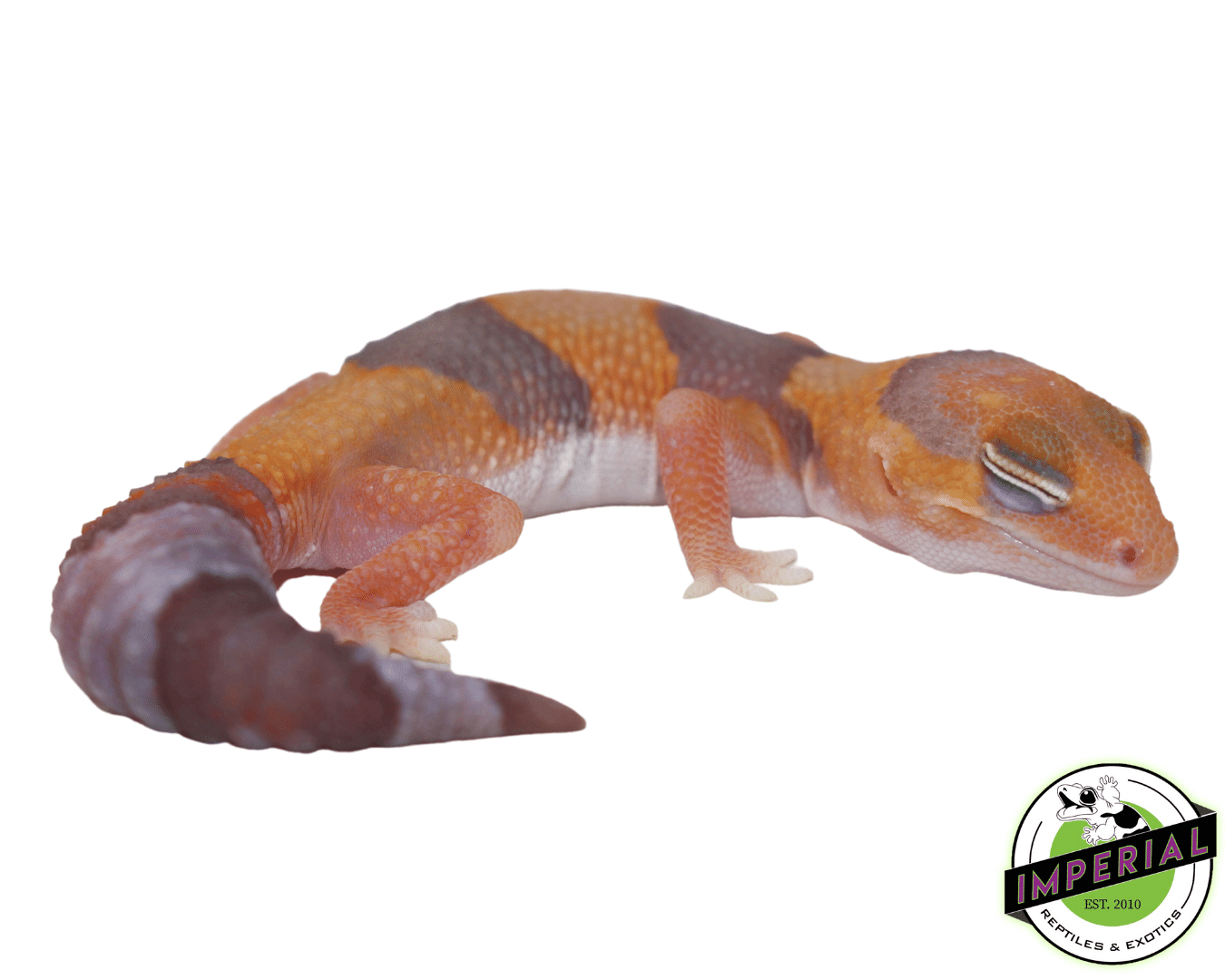
Most lizards, like bearded dragons and leopard geckos, are egg-layers. The male will court the female with displays like head-bobbing, then mate to fertilize the eggs. The female will dig a burrow to lay her clutch. A few lizard families, like some skinks and chameleons, are live-bearers.
How do reptiles mate?
Reptiles mate through internal fertilization. The male uses his paired hemipenes to transfer sperm to the female’s cloaca. This is often preceded by species-specific courtship behavior, such as chasing, biting, or visual displays. The entire process can last from a few minutes to several hours.
Browse our reptiles collection
Last updated: April 05, 2026